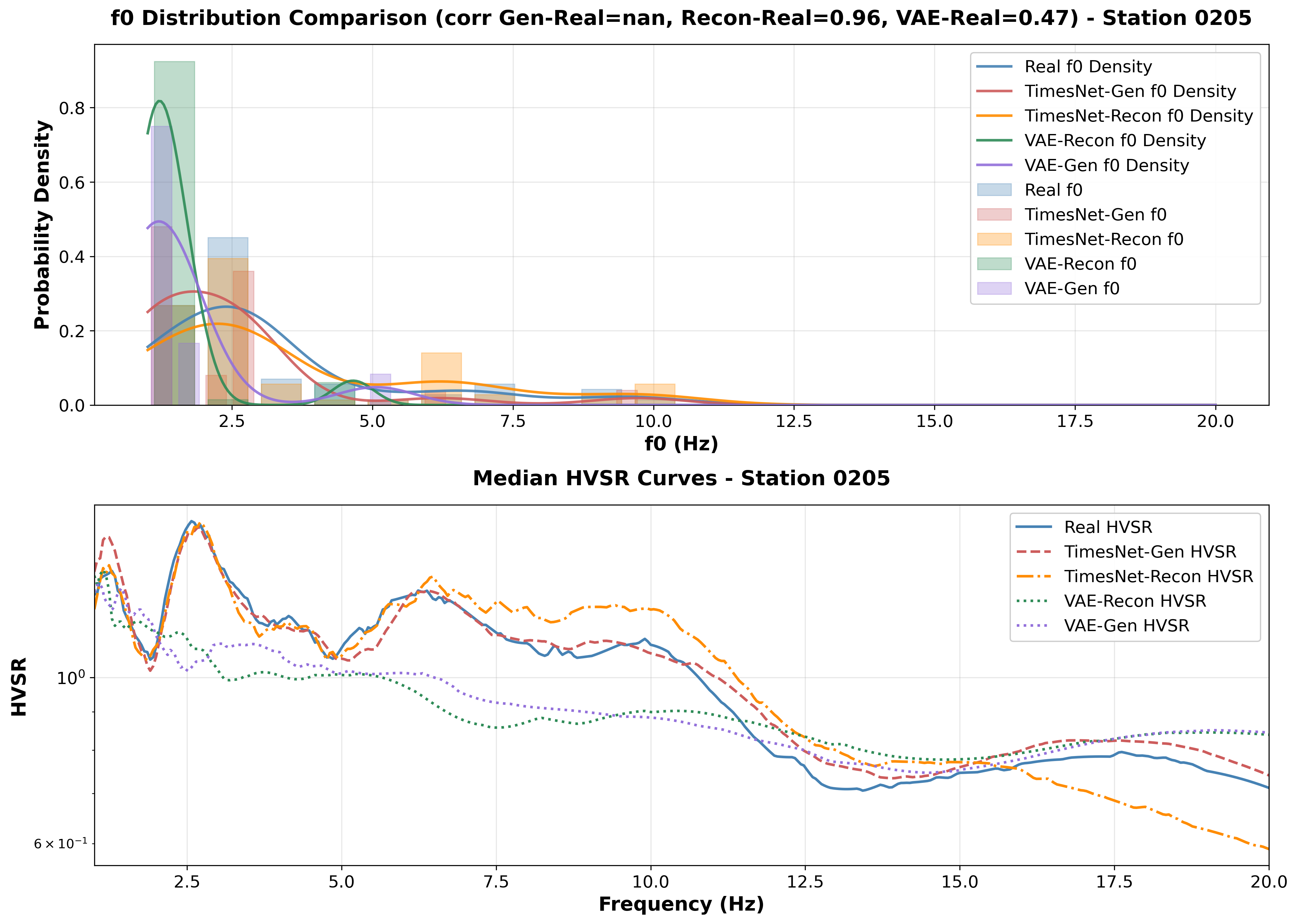
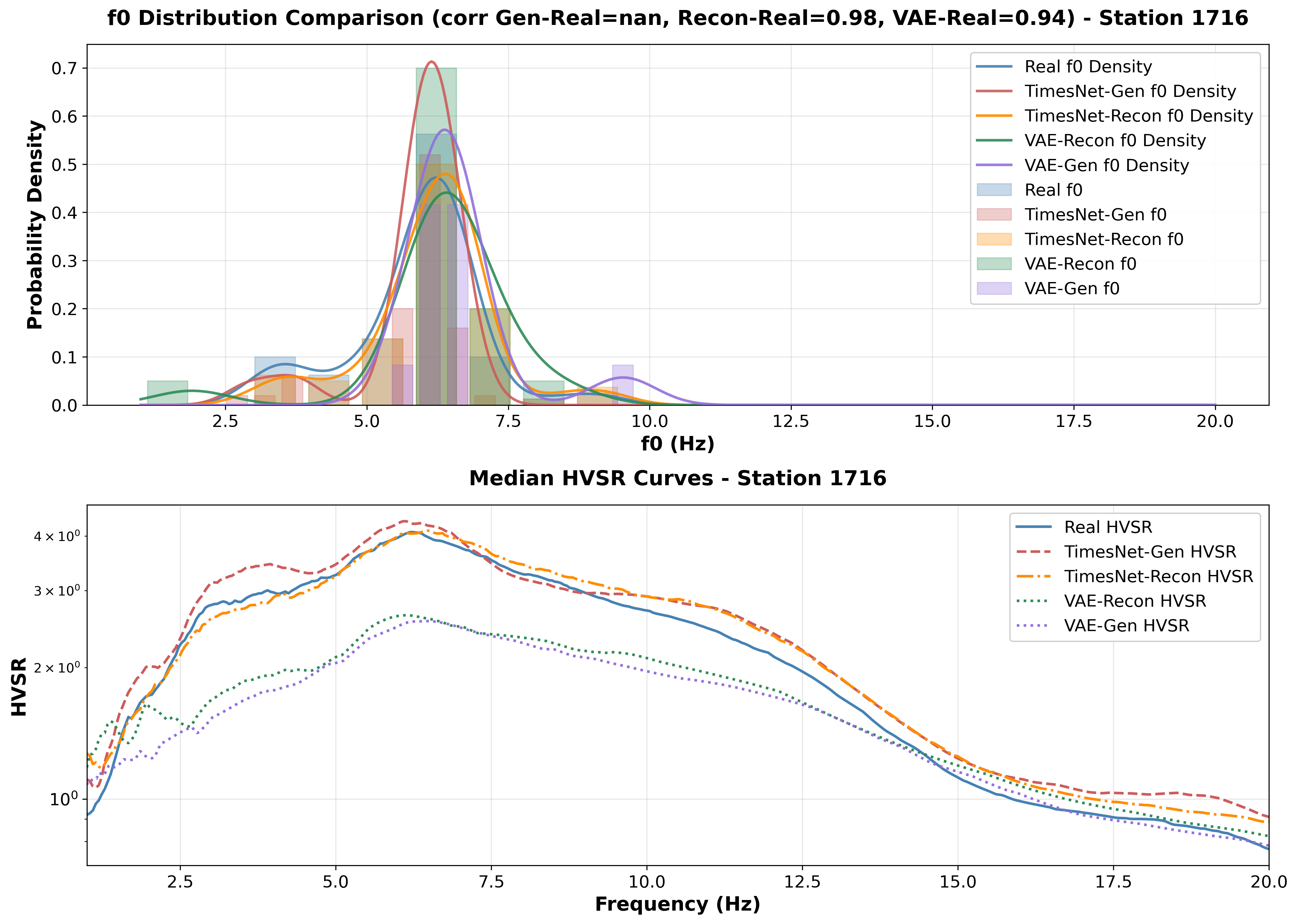
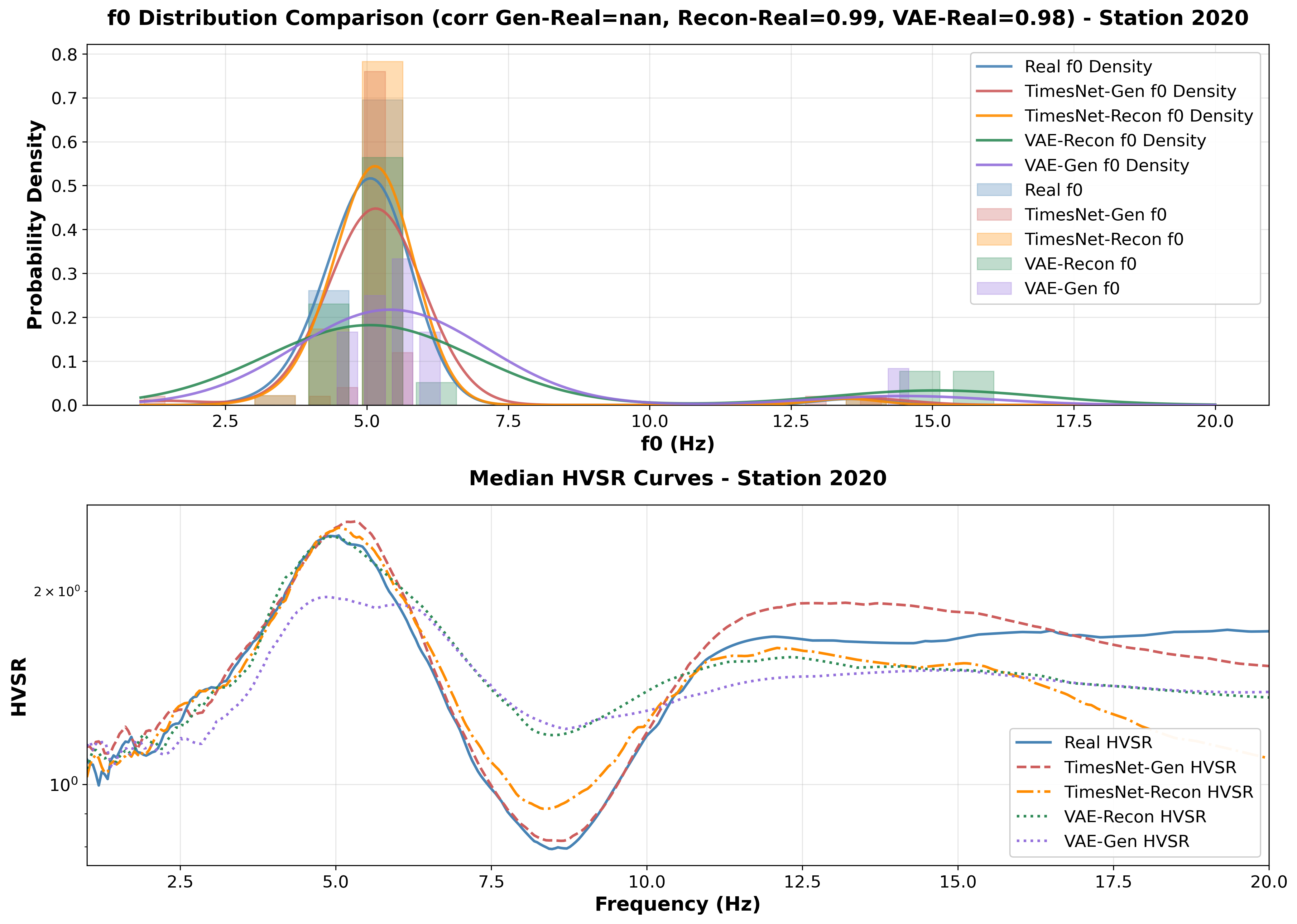
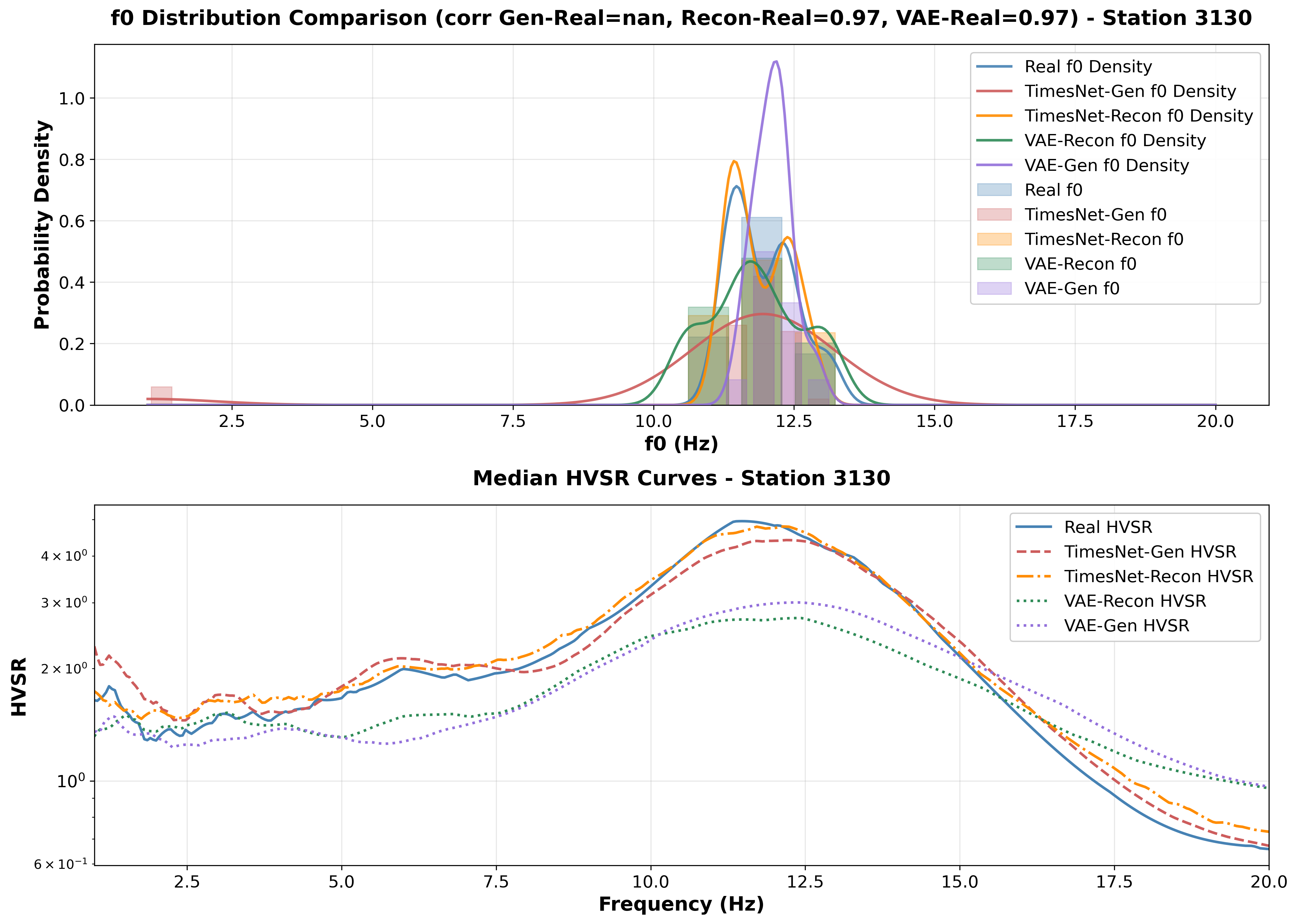
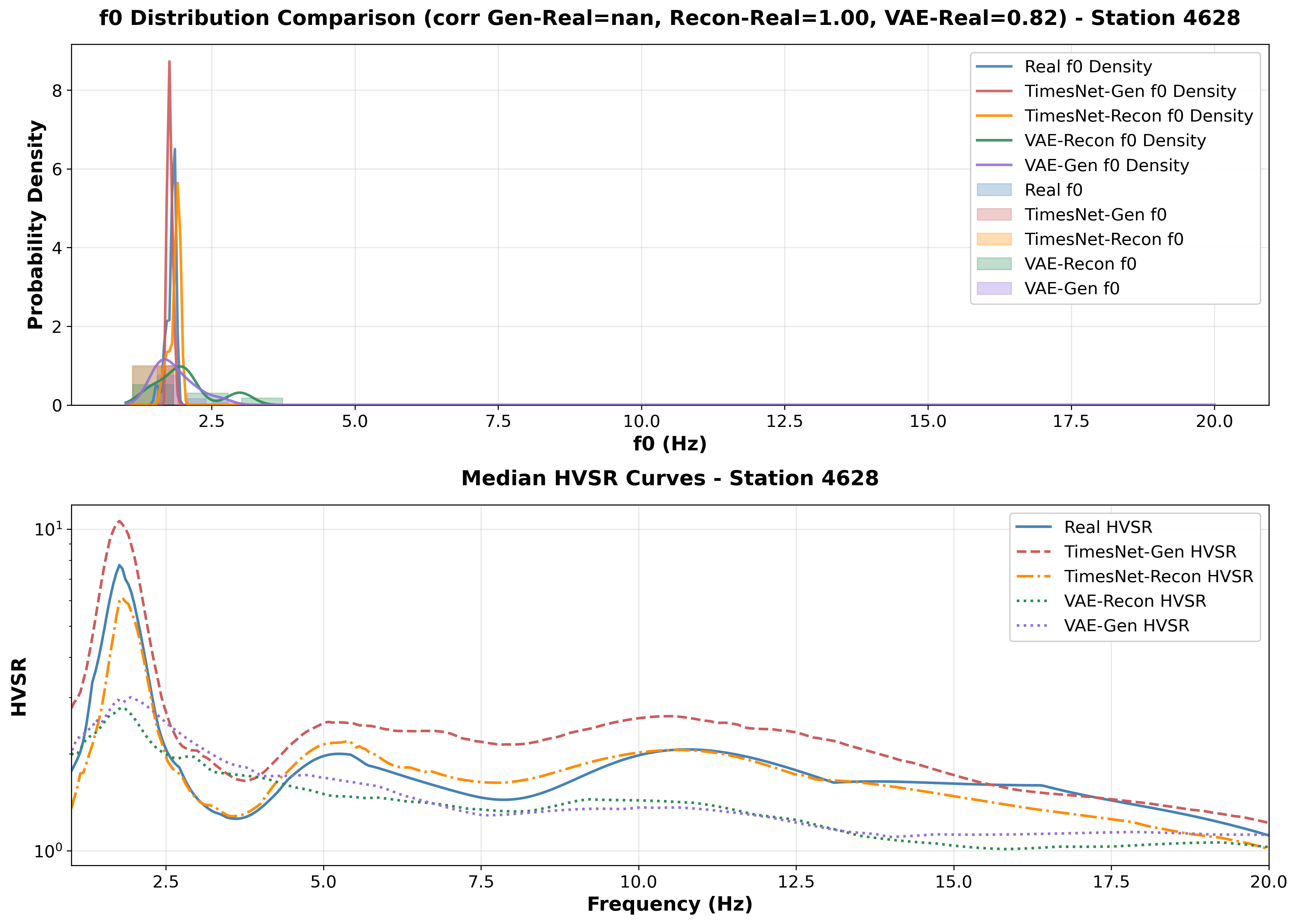
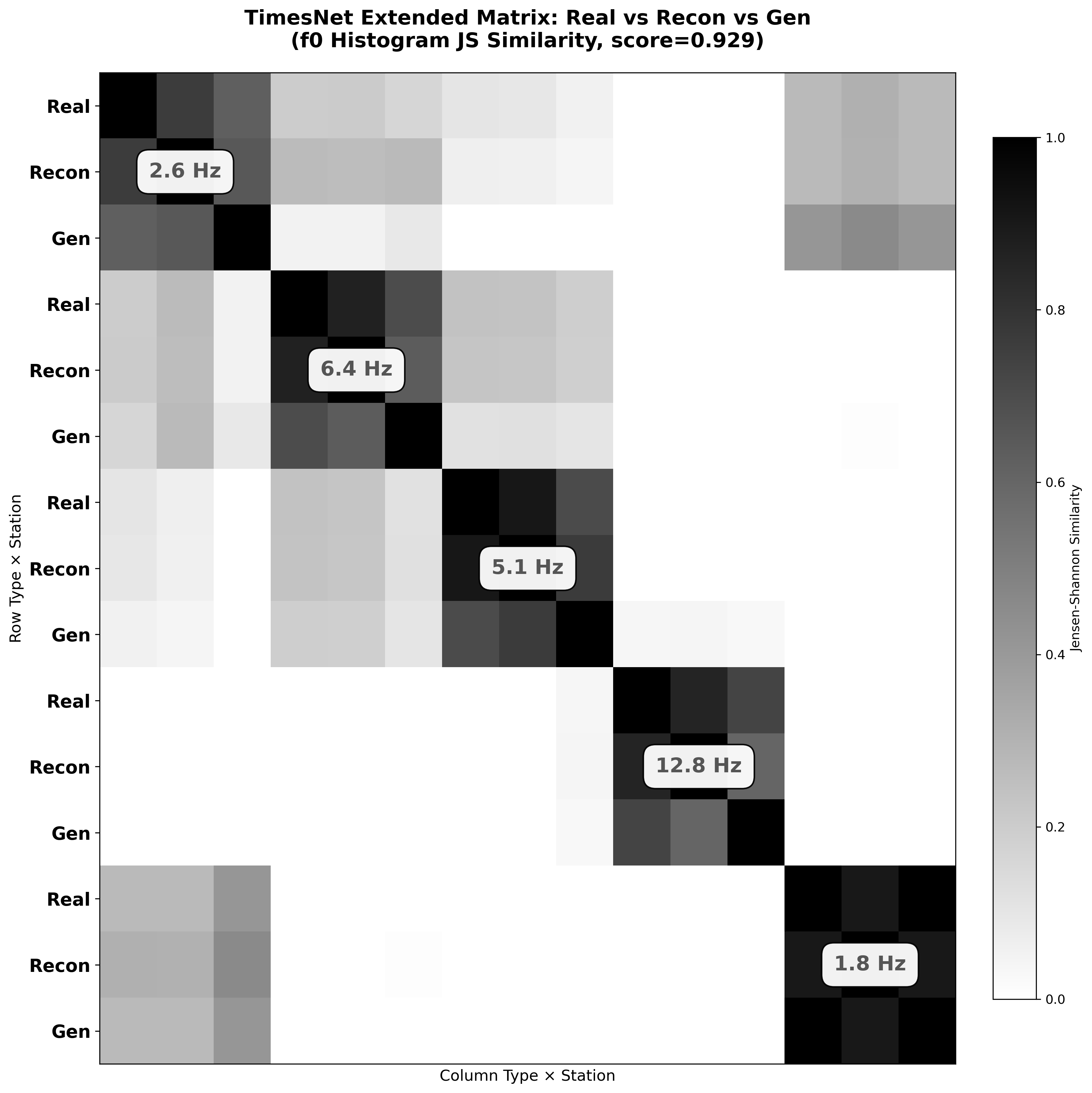
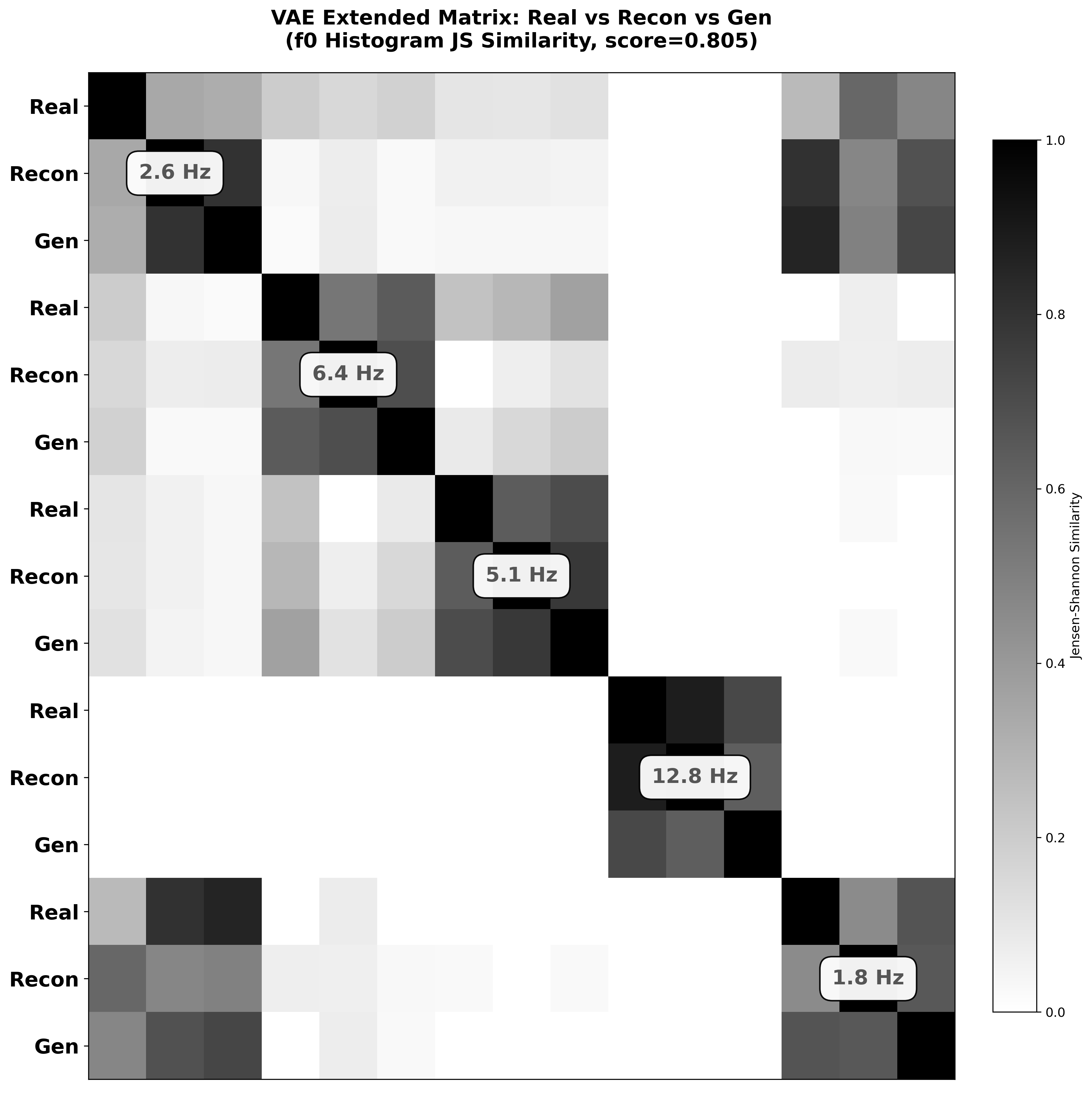
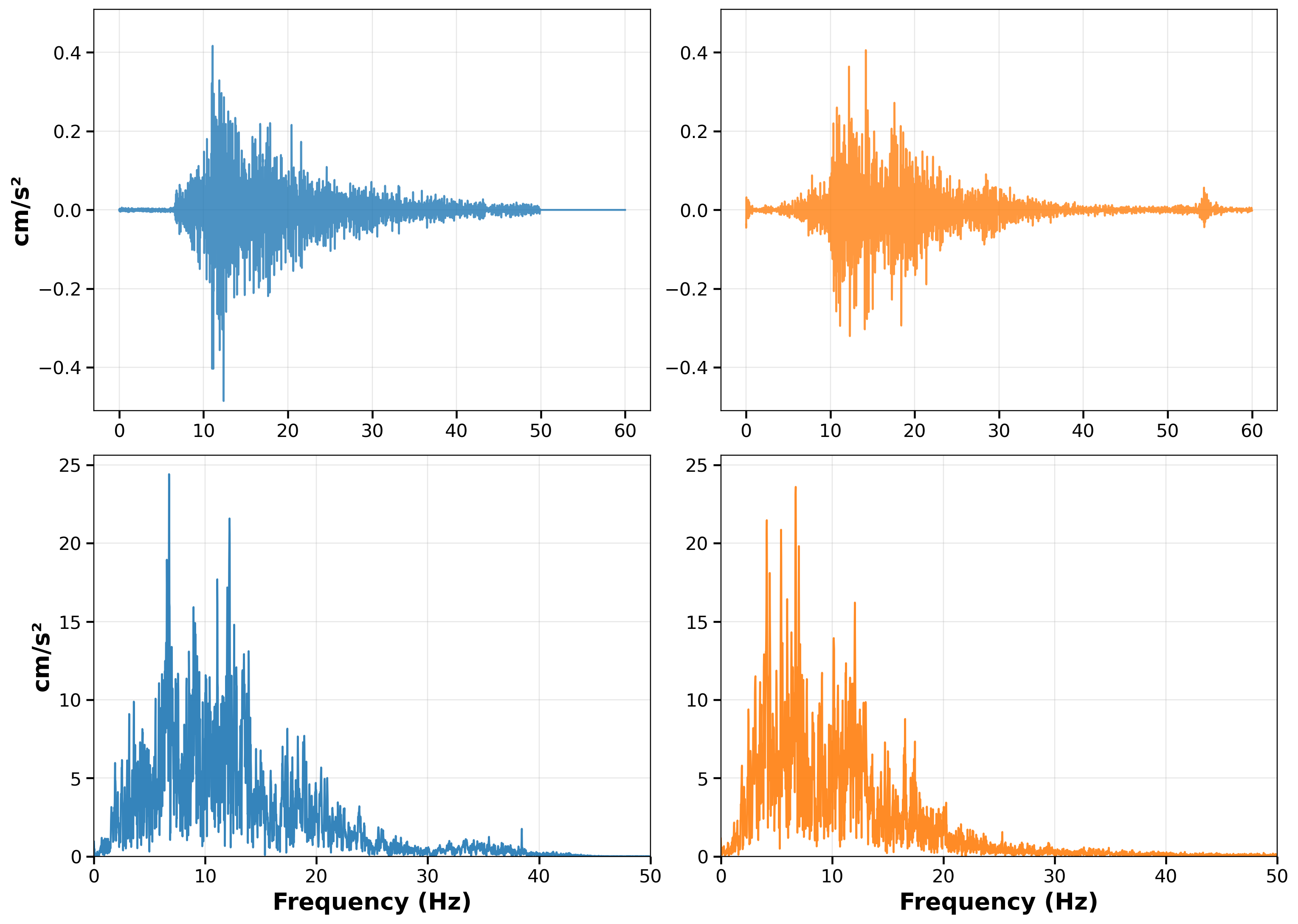
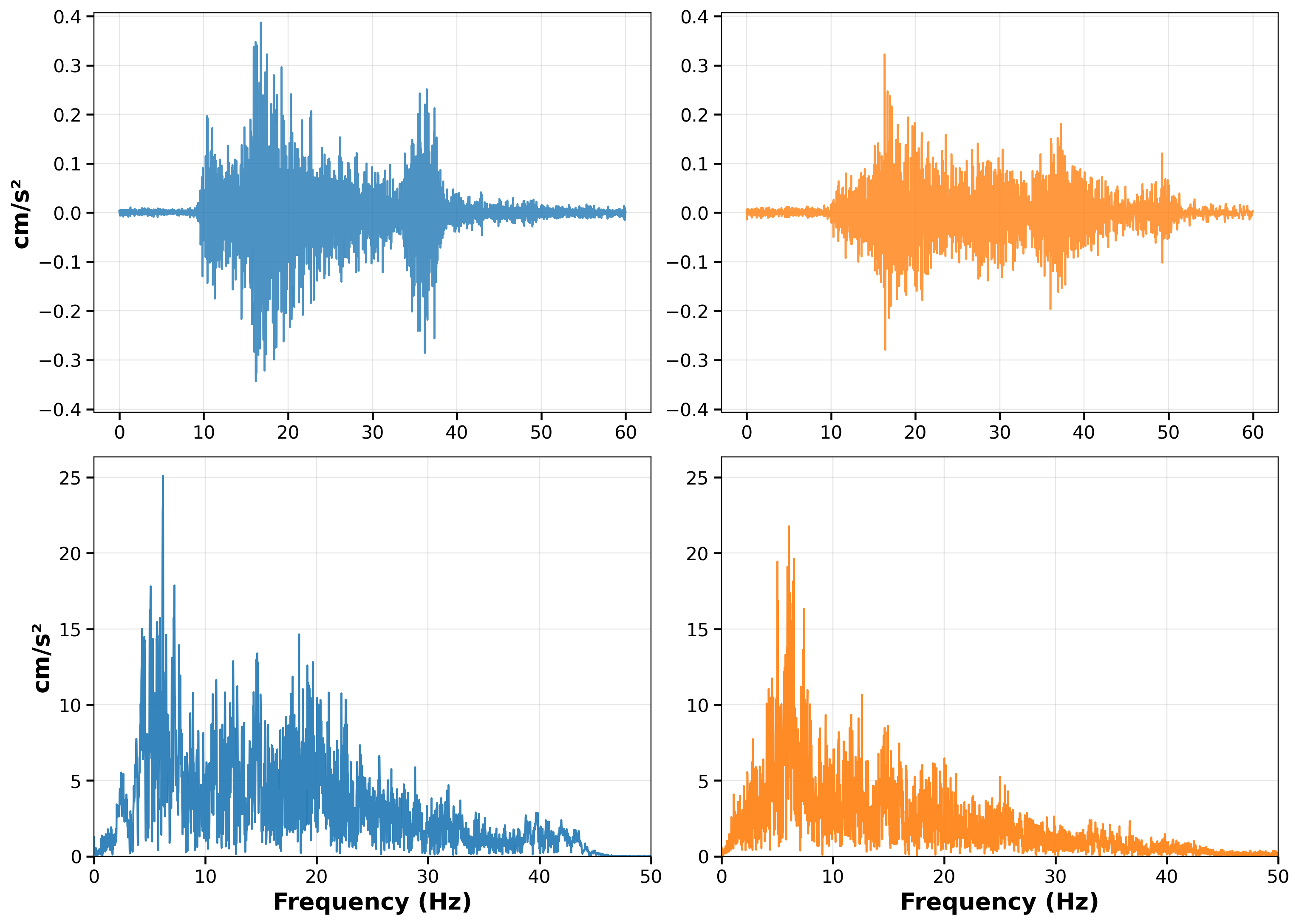
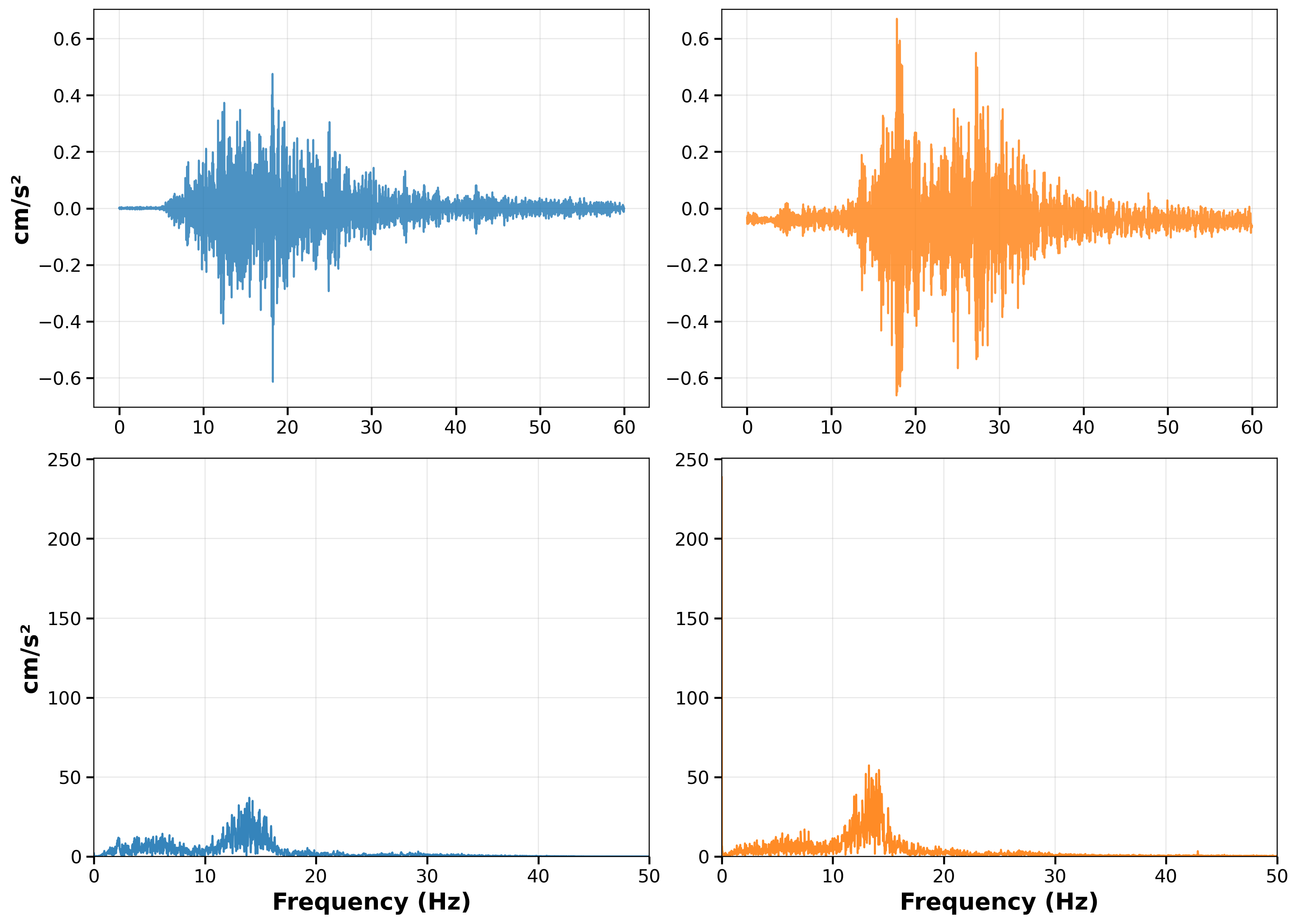
Effective earthquake risk reduction relies on accurate site-specific evaluations. This requires models that can represent the influence of local site conditions on ground motion characteristics. In this context, data driven approaches that learn site controlled signatures from recorded ground motions offer a promising direction. We address strong ground motion generation from time-domain accelerometer records and introduce the TimesNet-Gen, a time-domain conditional generator. The approach uses a station specific latent bottleneck. We evaluate generation by comparing HVSR curves and fundamental site-frequency $f_0$ distributions between real and generated records per station, and summarize station specificity with a score based on the $f_0$ distribution confusion matrices. TimesNet-Gen achieves strong station-wise alignment and compares favorably with a spectrogram-based conditional VAE baseline for site-specific strong motion synthesis. Our codes are available via https://github.com/brsylmz23/TimesNet-Gen.
E ARTHQUAKES have historically led to significant loss of life and extensive economic damage. The 2023 Turkey-Syria earthquakes had a death toll exceeding 53,000, caused more than $103 billion in economic losses, and affected over 13 million people [1]. Although these impacts cannot be fully eliminated, combining source characterization, recurrence modeling, ground-motion prediction, site-specific hazard assessment, and resilient design practice has substantially reduced earthquake related damage. Among these components, site effects are especially critical because local geology can heavily modify ground shaking.
Strong motion recordings capture ground acceleration from seismic stations during earthquakes. While studies such as [2] and [3] have explored the use of deep learning for site-specific seismic signal analysis, it remains challenging to effectively capture the complex temporal and spectral patterns present in seismic recordings. As discussed in [4], there is still no foundational deep learning model that can effectively represent the complex temporal and spectral patterns of these recordings. Developing such a model is essential, as a system capable of generalizing and conditionally generating strong motion Baris Yilmaz and Assoc. Prof. Erdem Akagündüz are with the Department of Modeling and Simulation, Graduate School of Informatics, Middle East Technical University, Ankara, Türkiye (e-mail: yilmaz.baris 01@metu.edu.tr; akaerdem@metu.edu.tr).
Bevan Deniz Cilgin is with the Deparment of Data Informatics, Graduate School of Informatics, Middle East Technical University, Ankara, Türkiye (e-mail: cilgin.bevan@metu.edu.tr).
Assist. Prof. Salih Tileylioglu is with the Department of Civil Engineering, Kadir Has University, Istanbul, Türkiye (e-mail: salih.tileylioglu@khas.edu.tr). signals would significantly enhance future seismic hazard assessment and mitigation methods. In addition, with such a foundational model, it would become possible to enhance other downstream seismic tasks such as P-and S-wave detection for early warning systems and parameter estimation in earthquake engineering applications.
In this paper, we hypothesize that strong motion waveforms can be effectively conditioned in a deep generative framework using station specific (or more generally site specific) identifiers, and their validity and station relevance can be evaluated through the analyses of site’s fundamental frequency. While existing data driven studies utilize conditioning for the generation of strong motion data on physical parameters such as magnitude, distance, and velocity using deep generative models [5], to the best of our knowledge, there are no studies that have explored conditioning solely based on stationspecific identifiers such as station IDs. Station conditioning enables the model to isolate and learn site-specific patterns that are characteristically consistent but naturally variable across events. This poses a significant challenge, as most sites have only a limited number of available records, and traditional conditioning methods often fail to capture the underlying sitedependent patterns reliably. Thus, the reliability of these sitespecific simulations can be limited.
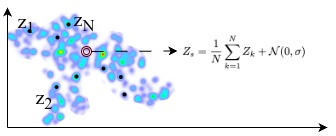
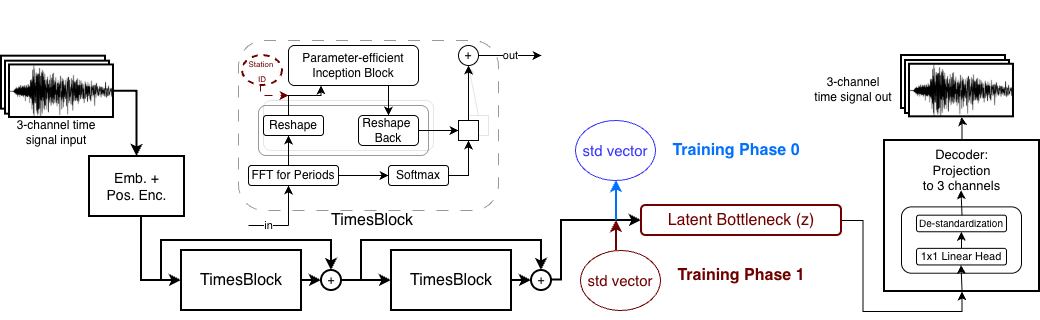
We introduce TimesNet-Gen, a time-domain conditional model built by adapting TimesNet [6]. TimesNet has demonstrated strong performance on complex, multi-periodic time signals by extracting multi-scale temporal patterns. We note that seismic strong-motion waveforms exhibit similar periodic structure. While TimesNet has primarily been applied to short-term forecasting, imputation, classification, and anomaly detection, we first extend the architecture to configure it as an autoencoding model that optimizes a time-domain mean squared error (MSE) objective for reconstruction and observe competitive performance. We then convert this reconstruction model into a generative architecture by reusing the same decoder and inserting a latent bottleneck together with station-ID conditioning.
As a baseline, we train a convolutional VAE [7] on amplitude/phase spectrograms with station-ID conditioning. In order to benchmark both approaches, site-frequency based analyses are carried out. We employ strong-motion recordings from the Disaster and Emergency Management Presidency of Türkiye (AFAD) database [8] and adopt a two-phase straining strategy: unconditioned and unsupervised pretraining on the full corpus, followed by fine-tuning on five stations (348 records) for station-conditioned generation.
Our contributions are as follows. (i) We propose the TimesNet-Gen, a novel time-domain, station-conditioned deep learning architecture. (ii) In addition to a classical sitefrequency-based strong motion analysis method, an evaluation metric that uses fundamental site-frequency distributions calculated from generated records for a given station (site) is proposed and used for evaluation. (iii) Unlike previous seismological predictors [9] [10] [11] [12], our appr
This content is AI-processed based on open access ArXiv data.