Human/AI Collective Intelligence for Deliberative Democracy: A Human-Centred Design Approach
This chapter introduces the concept of Collective Intelligence for Deliberative Democracy (CI4DD). We propose that the use of computational tools, specifically artificial intelligence to advance deliberative democracy, is an instantiation of a broade…
Authors: Anna De Liddo, Lucas Anastasiou, Simon Buckingham Shum
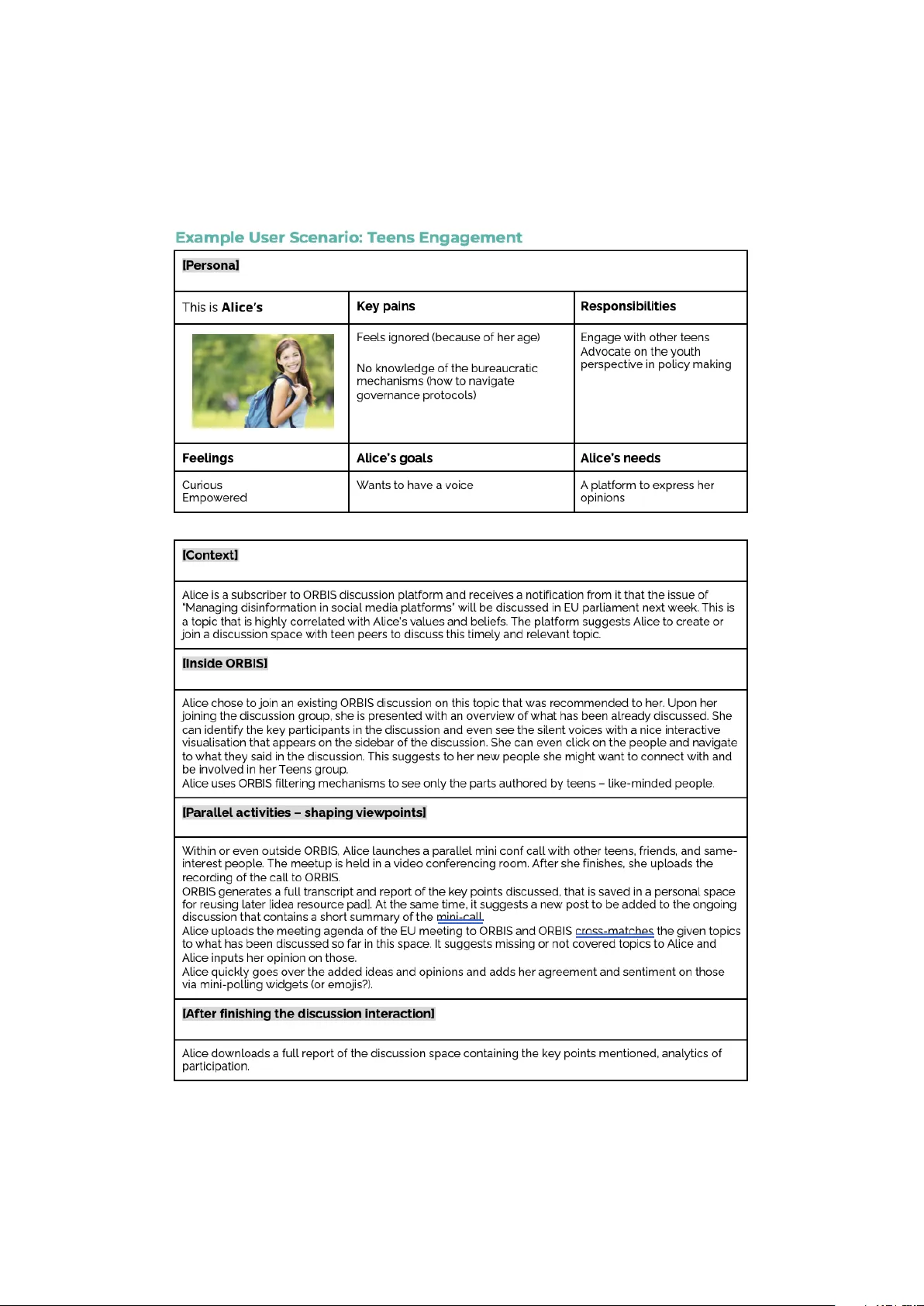
Human/AI Collectiv e In telligence for Delib erativ e Demo cracy: A Human-Cen tred Design Approac h Anna De Liddo*, h ttps://orcid.org/0000-0003-0301-1154 1 , Lucas Anastasiou, h ttps://orcid.org/0000-0002-1587-5104 1 , and Simon Buc kingham Shum ∗ , h ttps://orcid.org/0000-0002-6334-7429 2 1 Kno wledge Media Institute, The Op en Univ ersity , Milton Keynes, UK, E-mails:{lucas.anastasiou, anna.deliddo}@op en.ac.uk 2 Connected In telligence Centre, Univ ersit y of T echnology Sydney , Sydney , Australia, E-mail: Simon.Buc kinghamSh um@uts.edu.au Marc h 18, 2026 Abstract This c hapter introduces the concept of Collective Intelligence for Delib erativ e Demo cracy (CI4DD). W e propose that the use of computational tools, specifically artificial in telligence to adv ance delib erativ e democracy , is an instan tiation of a broader class of h uman-computer system designed to augment collectiv e in telli- gence. F urther, we argue for a fundamentally human-cen tred design approach to orc hestrate how stak eholders can con tribute meaningfully to shaping the artifacts and pro cesses needed to create trust w orthy DD processes. W e first contextualise the k ey concepts of CI and the role of AI within it. W e then detail our co-design method- ology for iden tifying k ey c hallenges, refining user scenarios, and deriving tec hnical implications. T wo exemplar cases illustrate how user requirements from civic or- ganisations were implemen ted with AI supp ort and piloted in authentic con texts. Keyw ords : Delib erativ e Demo cracy , Collectiv e In telligence, Human-AI Collab- oration, Human-Cen tred Design, Civic T echnology 1 In tro duction As we write this c hapter in the final quarter of 2025, this tum ultuous year has made all of us acutely aw are of the fragilit y of democratic systems and the in ternational rule of la w. When we add to this the relen tless breac h of our planetary b oundaries [Ric hardson et al., 2023], bio div ersit y collapse, the con tinued after-effects of the Co vid-19 pandemic, and numer- ous other mutually in teracting, degrading global systems, we do indeed app ear to be wrestling with a “global polycrisis”, defined by La wrence, et al. [Lawrence et al., 2024] as, “the c ausal entanglement of crises in multiple glob al systems in ways that signific antly de gr ade humanity’s pr osp e cts” . Inserting itself in to all of these systems is the explosiv e arriv al of generative artificial in telligence, adding additional stressors: aggra v ating disinformation [Dipto et al., 2024], 1 ∗ Corresp onding author: Anna De Liddo, Knowledge Media Institute, The Open Universit y , Milton Keynes, UK, E-mail: anna.deliddo@op en.ac.uk 1 disrupting education [Jensen et al., 2025] and emplo yment [Gmyrek et al., 2025], spark- ing debate on intellectual prop erty law [Chesterman, 2025], natural resource impacts [Ren et al., 2024, Barker, 2025], and precarious lab our conditions for mo del training [Gra y and Suri, 2019]. F ully recognising that, lik e all technology , AI confronts us with ethical compromises and dilemmas, we remain equally intrigued b y the extraordinary opp ortunities it op ens up to “augmen t h uman in tellect”, to use the prescien t 1960s lan- guage of Douglas Engelbart [Engelbart, 1962]. In a time when democracy is c hallenged b y the p olycrisis, we are curious to understand and harness the affordances of AI, just as it holds significant p oten tial to augmen t strategic planning [Doshi et al., 2025] and learning amidst the p olycrisis [Buckingham Sh um, 2025]. Consequen tly , in this chapter we adv o cate for the resp onsible use of AI to adv ance delib erativ e demo cracy (DD). F urthermore, w e see this as an instance of the broader class of h uman-computer systems designed to augmen t collectiv e in telligence (CI), with h ybrid forms of human/AI CI no w emerging. If this holds, it follows that DD researc h and practice can b oth learn from CI, and con tribute back to it. F urther, w e argue for a fundamen tally human-cen tred design (HCD) approac h to orc hestrate how stak eholders can con tribute meaningfully to shaping the artifacts and processes needed to create a trust worth y DD process. T o ac hieve this, the paper presen ts a structured co-design pro cess for developing AI tools that enhance demo cratic deliberation processes. In the context of a Europ ean pro ject inv olving diverse DD organisations, w e detail a collaborative scenario developmen t process through four phases — Contextualization, Community Chal lenges, Sc enario Co-cr e ation and V alidation . F rom this we identified k ey “Poin ts of Struggle” in existing delib erativ e practices, and translated user aspirations in to tec hnically feasible system requirements. Our metho dology bridges the gap b et w een theoretical AI capabilities and practical delib erativ e needs, adhering to the principle of augmen ting rather than replacing human capabilities. W e demonstrate how this ap- proac h leads to con textually relev an t, user-centric AI solutions that address real-world c hallenges in citizen participation, collectiv e understanding, transparency , and scalability of delib erativ e processes. The chapter first con textualises the key concepts of CI and the role of AI within it (Sec. 2). W e then detail our HCD metho dology and its outcomes, including key chal- lenges and a catalogue of system requirements (Sec. 3). Subsequently , w e present tw o exemplar cases of how these requiremen ts can b e implemen ted: BCause (Sec. 4) and Demo craticReflection (Sec. 5). W e conclude by summarising how these exemplars ad- dress the challenge of designing hybrid collective intelligence for delib erativ e demo cracy (Sec. 6). 2 CI, AI and DD Fields as div erse and intersecting as organisation science, cognitive science, computer science and neuroscience are conv erging on the imp ortance of Collective In telligence (CI), ranging in scale from small teams to companies, and to global net works [Malone and Bernstein, 2015]. In the editorial to the inaugural edition of CI Journal, Flack et al. [Flack et al., 2022] in tro duce CI as follows: W e can find collectiv e in telligence in an y system in whic h entities collec- tiv ely , but not necessarily co operatively , act in w ays that seem intellige nt. Often—but not alw ays—the group’s intelligence is greater than the in telli- gence of individual entities in the collective. Cen tral to the concept of CI is the premise that intelligence cannot b e restricted to what happ ens in an individual brain, but rather, intelligence (including cognition 2 and memory) is distributed so cially across agents and materially across artifacts, b oth ph ysical and computational [Hollan et al., 2000, O’Neill et al., 2023]. Consequen tly , CI considers more than the collective abilit y of p eople’s minds, with online platforms making new forms of discourse and co ordination p ossible [Gupta et al., 2023, De Liddo et al., 2012, Suran et al., 2020, v an Gelder et al., 2020]. AI adds mac hine actors to the netw ork, with human-agen t teaming research clarifying the conditions under which people come to trust AI agents as mem b ers of the team [O’Neill et al., 2020, Seeb er et al., 2020]. The explosiv e arriv al of large language mo dels (LLMs), particularly their integration with a con versational user interface (marked most saliently by ChatGPT’s launch in No v. 2022) is the most recent adv ance, op ening new p ossibilities for human-computer creativit y [Heyman et al., 2024], CI more broadly [Burton et al., 2024] and “extended minds” [Clark, 2025]. Whilst there are distinctive features of DD that do not necessarily hold in other con texts (e.g., the particular kinds of stakeholders, or the common need for p olicy out- comes), w e prop ose that CI concepts are helpful in framing the c hallenge of conv ening trust worth y , computer-supp orted, DD processes. F or instance, in a detailed surv ey of CI online platforms, Suran et al. [Suran et al., 2020] taxonomise approaches in terms of the individuals they bring together (including their motiv ation, diversit y , critical mass), through c o or dination/c ol lab or ation activities (including the scop e for emergence, trust, task allo cation), enabled b y differen t forms of online c ommunic ation (including user roles, kno wledge aggregation, decen tralisation). Their surv ey includes a range of demo cracy-enhancing, citizen-cen tric cases within this framework [F urtado et al., 2010, Iandoli et al., 2009, K osmidis et al., 2018]. Our previous researc h has proposed that complex so ciotec hnical problems need a sp ecific t yp e of discourse-centric CI, which w e termed Conteste d Col le ctive Intel ligenc e (CCI) [De Liddo et al., 2012]. Divergence in opinion is in trinsic to the predicament, and computational supp ort assists in making sense of this. The nature of the CCI design challenge has been c haracterised as a sp ectrum of “pain p oin ts” that ma y b e addressed by different forms of delib eration analytics [Shum et al., 2014]. CCI delib era- tion platforms hav e b een piloted in contexts including education, civic engagemen t, and strategic/spatial planning. Similarly , in the realm of CI systems for demo cracy , a subset of systems exists that, by structuring dialogue and delib eration, pro duces new forms of collectiv e intelli- gence, which lead to demo cratic outcomes. W e term this CI for Delib erativ e Demo cracy (CI4DD), a crucial research endea vor to adv ance digitally mediated demo cracy , which we lo cate at the intersection of Demo cracy , Delib eration and Collective in telligence researc h (Figure 1). Gupta et al. [Gupta et al., 2023] ask: “How do we know that such a so ciote chnic al system as a whole, c onsisting of a c omplex web of hundr e ds of human–machine inter ac- tions, is exhibiting CI?” They argue for so ciotec hnical architectures capable of sustaining “collectiv e memory , attention, and reasoning.” What do es it mean to “exhibit CI” in the con text of DD? So, w e ma y con textualise this question, as follo ws: “How do we know that a DD so ciote chnic al system as a whole, c onsisting of a c omplex web of hundr e ds of human–machine inter actions, is exhibiting demo cr atic r esults, imp acts and b ehaviours?” In this chapter, w e will illustrate how the ab o v e ‘cognitive faculties’ of a CI4DD platform can b e instan tiated in a trust worth y manner. This revolv es around giving stak eholders a meaningful v oice in the design process. 2.1 A Comparativ e Analysis of Delib erativ e T ec hnology Platforms Arguably the ma jority of DD work using online to ols still works with generic to ols for sync hronous w ork (video conferencing plus online meeting to ols) and asynchronous w ork 3 Figure 1: Collective Intelligence for Deliberative Demo cracy Researc h (CI4DD) (threaded discussions, collab orativ e do cumen ts, digital stic ky-note b oards, etc). An example is a series of online workshops using DD pro cesses to scaffold a "delib erative mini-public" to draft AI ethics principles, where the k ey digital to ols were Go ogle Do cs and Zo om [Swist et al., 2024]. Within the last 3 y ears, of course, the rise of LLMs sees AI increasingly present in such everyda y to ols, enabling automated textual summarisation, text/image generation, sticky -note clustering, thematic analysis, and chatbots grounded in a DD do cumen t corpus. These are all legitimately examples of “AI for DD”. Ho wev er, our fo cus in this chapter is on the use of AI in platforms with features sp ecifically tuned to support DD pro cesses and work practices, with particular in terest in building “CI”. T o situate our work within the broader CI4DD landscap e, T able 1 pro vides a comparison across prominen t platforms. W e selected these platforms as exemplars of differen t delib erativ e mo dalities: dialectical approaches that structure arguments explic- itly (Kialo 1 , BCause 2 ), aggregative systems that syn thesize distributed input (Pol.is 3 , Demo craticReflection 4 ), consensus-oriented tools for group decision-making (Lo omio 5 ), and municipal gov ernance platforms (A dhocracy+ 6 , Consul 7 ). This comparison uses the analytical dimensions discussed abov e to highligh t how different sociotechnical sys- tems attempt to resolv e the fundamental challenges of achieving effectiv e, inclusive, and scalable delib erativ e democracy . This comparativ e analysis reveals distinct gaps in the CI4DD technology landscap e that our exemplar systems are designed to address. While man y platforms excel at either highly structured async hronous debate (e.g., Kialo) or large-scale asynchronous opinion aggregation (e.g., P ol.is), there is a notable lac k of tec hnologies designed to bridge differen t delib erativ e mo dalities — synchrono us and asynchronous, online and offline. BCause targets this sp ecific gap b y addressing the Inte gr ation struggle. Its no vel contribution lies in using AI to transform an unstructured, synchronous con ver- sation (a meeting transcript) into a structured, async hronous deliberative artifact (an argumen t map). This creates an analysable memorable data point from an ephemeral ev ent, connecting offline delib eration with an ongoing online pro cess in a wa y not promi- 1 h ttps://www.kialo.com/ 2 h ttps://b cause.app/ 3 h ttps://p ol.is/ 4 h ttps://demo cratic-reflection.w eb.app/en 5 h ttps://www.lo omio.com/ 6 h ttps://adho cracy .plus/ 7 h ttps://consuldemo cracy .org/ 4 T able 1: A Comparativ e Analysis of Delib erativ e T echnology Platforms Platform BCause Demo cratic- Reflection Kialo P ol.is Lo omio A dho cracy+ Consul Core De- lib eration Mo de Dialectical (Argu- men t Map) Aggregativ e (Real- time) Dialectical (Argu- men t Map) Aggregativ e (Cluster- ing) Consensus (Decision) Mo dular (Multi- mo dal) Mo dular (Multi- mo dal) AI role Structuring & sense- making Sensemaking & facilita- tion None ML clus- tering None None None (planned) Key features T ranscript imp ort, arg. net- w ork, theme maps Reflection cards, dash- b oards, AI questions Pro/con tree, sun- burst viz Statemen t v oting, group viz Threaded discuss., p olls, de- cisions Idea submit, budgeting, geo-map Prop osals, debates, v oting, budgeting Primary Use Case Civic en- gagemen t, p olicy Liv e ev ents, consulta- tions Education, debate P olicy- making, large-scale Go vernance, collectiv es Municipal go v., civic Municipal go v., insti- tutions nen t in the other platforms reviewed . Demo cr aticR efle ction addresses a differen t, y et equally critical, c hallenge: fostering Col le ctive Understanding and Inclusivity during a liv e, sync hronous even t. While most platforms are designed for asynchronous use or p ost-ev en t analysis, Demo craticReflection provides a real-time feedbac k lo op. It allows audience reflections to be captured, analysed, and fed bac k in to the exp ert discourse as it happ ens, augmented b y AI-as-facilitator. This demonstrates ho w our human-cen tered design approach led to the developmen t of sp ecific, con text-aw are solutions that address n uanced “Poin ts of Struggle” (see Section 3.2) often o verlooked b y more general-purp ose platforms. 3 A CI4DD co-design pro cess T o elicit user requirements and co-create digital solutions for AI-augmented delib erativ e demo cracy , w e emplo yed a co-design metho dology that emphasises participatory engage- men t with end-user comm unities. This approach was designed to bridge the gap b et ween tec hnological capabilities and the practical needs of democratic practitioners, ensuring that the resulting solutions would b e b oth technically feasible and contextually relev an t. The Horizon Europ e’s ORBIS pro ject 8 on “Augmenting participation, co-creation, trust and transparency in Deliberative Demo cracy at all Scales” provided the necessary context and human engagemen t for the co-design. ORBIS is one of five international pro jects funded as part of the AI, Big Data and Demo cr acy Europ ean T ask F orce to adv ance the understanding, developmen t and real life impact of AI inno v ations for democracy . Our w ork is in partnership with demo cratic inno v ation initiativ es and organisations including The Centr e for Eur op e an Policy Studies in Bruxel les (CEPS) 9 , a leading think 8 h ttps://orbis-pro ject.eu/ 5 Figure 2: The three-phase co-design methodology: (Communit y Challenges, Scenarios Co-creation, and V alidation) showing k ey stak eholders (Who), Ob jectiv es, and Outputs for each phase in the dev elopment of AI-augmented delib erativ e democracy tools. tank and forum for debate on EU affairs to inform p olicy making; The Demo cr acy and Cultur e F oundation (DCF) 10 an organisation formed to emp o wer so ciet y through citizen engagemen t and b etter go v ernance; and R e-Imagine Eur op a (RIE) 11 , a non-partisan think-tank currently fo cused on a Europ ean initiativ e called F utur e4Citizens (#F4C) to foster delib eration and demo cratic participation in Europ e through a comm unit y- based and narrative approach. These organisations pro vide access to b oth problems and comm unities for dev eloping and ev aluating the CI4DD co-design pro cess. Our metho dology unfolded in three phases, as summarised in Figure 2. 3.1 Phase I: Eliciting Comm unit y Needs and Aspirations T o ground our researc h in real-w orld needs, w e initiated our co-design pro cess b y en- gaging directly with the in tended end-users of deliberative democracy systems. W e conducted five workshops with 35 participan ts from key stakeholder groups, including NGOs, adv o cacy groups, and civic so ciety organisations in volv ed in citizen-led policy- making. The goal was to understand their challenges and aspirations for tec hnological supp ort in delib erativ e pro cesses. Each tw o-hour virtual workshop w as a collab orativ e session using tools like Miro 12 and Men timeter 13 to capture ideas and feedbac k. This pro cess generated o ver 10 hours of discussions, alongside n umerous digital artifacts like virtual sticky notes and p oll results. T o analyze this ric h dataset, w e employ ed a hy- brid metho dology , combining a deductive thematic analysis with a b ottom-up, grounded theory approac h [Glaser and Strauss, 2017, Chen, 2022, Braun and Clark e, 2006]. This 9 h ttps://www.ceps.eu/ 10 h ttps://www.demo cracyculturefoundation.org/ 11 h ttps://re-imagine.eu/ 12 h ttps://miro.com/ 13 h ttps://www.mentimeter.com/ 6 in volv ed transcribing the discussions and systematically co ding the data from all sources to iden tify recurring patterns and themes. This analysis distilled the communities’ high- lev el desires and pain p oin ts, which directly informed the next phase of co-creating user scenarios and, ultimately , a catalogue of system requiremen ts for an AI-enhanced Delib- erativ e Democracy platform. 3.2 Results: Key p oin ts of struggle (P oS) The op en co ding analysis was conducted through an iterativ e pro cess in volving re- searc hers reviewing workshop transcripts, (virtual) sticky notes, poll results and other notes. Initial co des were generated inductively fo cusing on sp ecific challenges mentioned b y participan ts. Subsequen t rounds aimed to group codes in to higher-order themes, capture emerging patterns, and contin uously refine categories until data saturation was reac hed and no new significan t themes emerged. The result w as the identification of four k ey points of struggle that permeated across the differen t delib erativ e phases (thematic lenses of observ ation). These p oints prov ed to b e r obust, r e curring elements across the sp ectrum of demo cratic inno v ation organisations fo cused on adv o cacy and citizen-led p olicy making (so should not be considered an exhaustive list co v ering all p oin ts). • A chieving T rue Represen tation and Inclusivit y : Despite the recognition of the imp ortance of ensuring that all voices are represented in delib erativ e pro cesses, participan ts highligh ted the challenges of ov ercoming under-representation and en- suring that all p erspectives are heard. This c hallenge is also rep orted extensiv ely by literature, for example in Karp o witz and Raphael [Karp o witz and Raphael, 2016], and Bo c hel et al [Bo c hel et al., 2008]. The challenge of true represen tation and inclusivit y includes activ ely engaging with (and incorp orating the opinions of indi- viduals) and communities that ma y b e traditionally marginalised or hav e limited access to participation opp ortunities. A sp ecific need to inv estigate issues of inter- sectionalities was also pointed out. • Collectiv e Understanding and Shared Reality : The concept of “collective sensemaking” [De Liddo and Buckingham Shum, 2010], “shared realit y” [Dugas and Kruglanski, 2018] , and “social represen tation” [Breakwell, 2014] emerged as a crucial asp ect of delib- erativ e pro cesses. Creating a common ground where participan ts can understand eac h other’s viewpoints and feel represented is essential for fostering meaningful dialogue and achieving informed decision-making. This shared understanding of kno wledge and exp eriences is crucial for bridging so cial divides and promoting inclusiv e go v ernance [Dugas and Kruglanski, 2018]. • Clarit y and T ransparency in Pro cess and Outcome : T ransparen t explana- tion and a clear understanding of the flow of results are essential for ensuring the legitimacy and effectiveness of delib erativ e pro cesses [Greene, 2000]. This includes pro viding clear explanations of decision-making pro cesses (as highlighted for exam- ple in [Petts, 2001], sho wcasing the rationale b ehind outcomes, and demonstrating the impact of delib erations on p olicy decisions. P olicymakers m ust b e able to trust the outcomes of delib erative pro cesses and understand ho w certain decisions were reac hed; whic h provides legitimacy to the decisions made [Parkinson, 2003]. • In tegration and Scalability : As emphasised b y Klein [Klein, 2012], the abil- it y to integrate deliberative pro cesses with existing to ols and platforms is crucial for their long-term sustainability and scalabilit y . This includes supp orting m ulti- ple languages, as the EU is a m ultilingual organisation with 24 official languages, and enabling seamless integration with v arious stakeholders and decision-making 7 b odies. The ability to scale delib erativ e pro cesses horizon tally (across differen t comm unities), vertically (to address complex issues), and in-depth (to incorpo- rate more detailed information) is essen tial for addressing a wider range of chal- lenges [Parkinson and Mansbridge, 2012] and achieving greater impact [Shortall et al., 2022]. As common denominators across the diverse con texts of consulted comm unities, these four ‘Poin ts of Struggle’ highligh t fundamen tal challenges if DD platforms are to be effectiv e in real-w orld applications. 3.3 Phase II: User Scenario Co-Creation Building on insights from earlier phases, w e developed t w elve “seed user scenarios” in- tended to pro v oke thought and encourage ambitious thinking. These initial scenarios, exceed the ORBIS pro ject scop e, and served as v aluable starting p oin ts for a co-creation pro cess aimed at refining them into realistic and actionable use cases. Eac h scenario was crafted using a structured format that included detailed p ersonas and a six-part narra- tiv e structure, supplemen ted by annotations referencing a predefined set of delib erativ e functionalities. After the scenarios were defined tw o parallel w orkshops were conv ened to ev aluate and revise them. W e ran a technology fo cused w orkshop, in v olving delib eraiv e tec hnol- ogy experts to conduct a structured review of all tw elv e scenarios, annotating them for necessit y , desirabilit y , and technical feasibility . After this the scenarios were amended and rew orked into technically viable v ersions, also iden tifying system-level requirements that could realistically b e implemented. Sim ultaneously , a user communit y w orkshop was conducted inv olving end-user repre- sen tatives, who review ed the same scenarios from a usabilit y and relev ance p ersp ectiv e. Through facilitated discussions and collab orativ e ev aluation, eac h use case team com- bined t wo scenarios into a single preferred v ersion, incorp orating feedbac k from p eers and other stak eholders. A subsequent plenary session brough t b oth groups together to reconcile technical feasibilit y with user needs. P articipan ts presented revised scenarios and engaged in mo derated discussions to identify common ground and resolve differences. This co- creativ e negotiation resulted in compromised yet balanced final versions of the scenarios, ensuring that each retained op erational relev ance while remaining within technological constrain ts. Ultimately , the pro cess transformed the original tw elv e visionary concepts in to six realistic and implemen table scenarios that hav e underpinned the ORBIS pro ject’s tec hnical design and developmen t. In the following section, we will exemplify results of the developmen t and application of such scenarios with t wo delib eration tec hnologies applied in real-w orld contexts. 3.4 Phase II I: Use Case Scenarios V alidation The final phase inv olv es distributing the scenarios to all stakeholders for review and v alidation. Use case leaders conducted internal consultations within their organisations to verify alignmen t with institutional needs, while tec hnology partners provided final assessmen ts of technical feasibilit y . This iterativ e v alidation pro cess, though primarily qualitativ e due to participant n umbers, was intrinsically embedded within the co-design framew ork, ensuring rigorous collaborative assessment and consensus regarding feasibil- it y and authenticit y . The co-created user scenarios offered descriptions of user journeys and interactions with fictitious delib eration systems. While some of them may not y et b e tec hnologically feasible, they encompassed the full set of functionalities exp ected in a mature deliberative solution as en visioned b y participan ts. Figure 3 shows one of these user scenarios, related to engaging teenagers in DD pro cesses. 8 9 Figure 3: “Engaging teenagers” DD user scenario co-created b y civic organisations. The scenario follows a structured narrative format: (top panel) b egins with Persona descrip- tion and Context setting, establishing the stakeholder and situation; (middle panel) pro- gresses through Chal lenge identification and Obje ctive definition, clarifying what needs to b e achiev ed; (b ottom panel) details the A ctions tak en and Outc omes realized, sho wing ho w the delib erative technology enables the solution. Coloured annotations on the right link sp ecific narrativ e elemen ts to system requirements (e.g., UIE.2, DA V.1) detailed in the App endix, creating traceabilit y betw een user needs and technical sp ecifications. 10 3.4.1 Higher-Lev el System Requiremen ts It is one thing to envision user scenarios, but these must at some p oin t b e translated into tec hnical reality . The scenarios are used to elicit a set of high-level system requirements. A t the b ottom of the example user scenario (Figure 3) the system requiremen ts identified for that scenario are listed. F rom the 12 scenarios, 121 system requiremen ts w ere derived. W e initiated an open co ding process, iterativ ely tagging eac h one of them, merging them according to their common functionalities, from whic h we distilled a subset of 36 requiremen ts (see App endix). These w ere then further distilled into six categories which guided platform dev elopmen t. 1. User In teraction and Engagemen t (UIE): This category co vers the o v erall user exp erience, fo cusing on p ersonalization and flexibility . Users expressed a need for systems that support user profiles, provide p ersonal spaces for ideas, offer p er- sonalized recommendations, and include user-friendly visualizations for data ex- ploration and real-time discussion support. 2. Discussion Analysis and Visualization (D A V): This addresses the user’s high exp ectations for data analysis and sensemaking. Key requirements include the abilit y to automatically cluster discussions into themes, analyze and compare ar- gumen ts, iden tify k ey actors, and summarize discourse in real-time through in ter- activ e visualizations. 3. Mo deration and Assistance (MA): F o cusing on supp ort for exp ert facilitators, these requirements aim to enhance the mo deration of delib eration. This includes to ols for gathering feedback efficien tly , creating structured records of discussions, detecting contro v ersy , and pro viding automated indicators to assist mo derators in guiding the process. 4. Rep orts and Summarization (RS): These requirements center on generating evidence-based insigh ts from delib erations. Users need tools that can produce statistical analyses and generate summary rep orts in v arious st yles, while crucially main taining clear links back to the original source data to ensure pro venance. 5. Collab orativ e F eatures (CF): T o foster collective sensemaking, this category includes features that allow users to actively co-create meaning. This inv olves func- tionalities for collab orativ e filtering, grouping, prioritizing, and editing of delib era- tiv e data, as well as mechanisms for v oting and connecting to external knowledge. 6. Multi-Phase Delib erations (MPD): This reflects the understanding that de- lib eration is a pro cess that unfolds across different times, spaces, and mo dalities. Requiremen ts include supp ort for tracking the process across v arious stages, ag- gregating re sults from surveys and polls, and generating p olicy prop osals from discussion outcomes. T o summarise, this co design requirements elicitation pro cess enabled citizens and delib erativ e demo cracy actors (NGOs, civic so ciet y organisations, go v ernmental insti- tutions etc) to identify their most acute ‘p oin ts of struggle’, and articulate user stories that brought to life what CI4DD could mean for them. F rom these rich narratives we deriv ed more abstract, higher-level requiremen ts to guide CI4DD platform designers. As explained next, some of the stak eholders’ en visioned capabilities require AI as part of the ov erall so ciotechnical solution. 11 4 Hybrid Delib eration via BCause: Bridging Structured Async hronous Discussion with Unstructured Sync hronous Con v ersations 4.1 BCause: Platform Description The BCause platform [Anastasiou and De Liddo, 2023] 14 exemplifies a human-cen tred approac h to AI-augmented async hronous delib eration. Dev elop ed by the IDea 15 group at the Op en Universit y , BCause is a structured online discussion system that supp orts distributed decision-making through argumentativ e dialogue enhanced b y AI capabilities. The platform addresses the challenge of scaling delib erative demo cracy while maintaining the quality and structure necessary for meaningful civic engagemen t. The core functionality centres on argumen tativ e dialogue structure that helps par- ticipan ts engage in reasoned dialogue. F or that, BCause employs a light IBIS (Issue- based Information System) mo del to structure participan ts’ con tributions around is- sues, p ositions and argumen ts (Figure 4). The affordances of IBIS-based delib era- tion tools for impro ving the qualit y of deliberation are w ell do cumen ted; by explic- itly structuring con tributions in to their argumen tation role, the delib eration pro cess b ecomes clearer, more rational and rev eals the agreement and conten tion p oin ts of the group [Iandoli et al., 2009, De Liddo et al., 2012]. The platform’s interface which sep- arates pro and con argumen ts, is paired with a navigable argumen t tree on the righ t that provides a clear ov erview of the debate and summaries or other insights on the left. The platform has multiple engagement mec hanisms: users can con tribute detailed argumen ts, provide quick feedbac k through reflection mechanisms, or signify their agree- men t to given p ositions. At the same time, the system main tains clear authorship and argumen t prov enance, ensuring transparency in how collectiv e understanding emerges from individual con tributions [Anastasiou, 2023]. The transition from theoretical requirements (section 3) to practical implementation of BCause in the ORBIS pro ject required careful consideration of ho w BCause could b e extended to address the specific challenges iden tified through our co-design pro cess. The RIE Europ e4Citizens initiative presented particularly compelling con texts for test- ing BCause’s capacit y to bridge offline and online delib erativ e spaces while maintaining demo cratic legitimacy and fostering collective intelligence. RIE as an organisation ex- emplifies the core tension identified in our Poin ts of Struggle analysis: how to ac hiev e meaningful Collectiv e Understanding and Shared Realit y while ensuring Integration and Scalabilit y without compromising T rue Represen tation and Clarit y/T ransparency . The Europ e4Citizens dialogues, conducted across m ultiple Europ ean con texts, required a system capable of preserving the n uanced discussions o ccurring in face-to-face citizen dialogues while enabling broader online participation. These requirements directly informed three critical extensions to the BCause plat- form: (1) AI-augmen ted transcript imp ort functionality to preserv e and structure offline delib erativ e conten t, (2) enhanced p olicy recommendation distillation capabilities, and (3) adv anced argument clustering and visualization to ols. 4.2 AI-augmen ted transcript imp ort A distinctive feature of BCause is a h uman-AI collab oration pro cess enabling the discus- sion curator to distill the key questions, ideas and arguments arising in face-to-face or virtual meetings, migrating these in to online BCause discussions. The transcripts from 14 h ttps://b cause.app 15 h ttps://idea.kmi.op en.ac.uk/ 12 Figure 4: Snapshot of BCause Discussion In terface: The fo cal Question is at the top, and the left panel generates a succinct summary of the most c onteste d and opp ose d p ositions . These are listed in the cen tral panel, each with related Ar guments organised in to Cons (left) and Pr os (righ t). The ov erview tree on the right supp orts orientation and navigation. 13 a meeting (in-p erson or online, recorded with participant p ermission) are con verted in to BCause delib eration structures via a three-step h uman-in-the-lo op workflo w: 1. AI analysis of meeting transcript: an Argumen t Mining pipeline uses a su- p ervised machine learning approach (a fine-tuned DeBER T a transformer mo del) to automatically detect and categorise discussion elemen ts into the IBIS sc hema (Issues, Positions and Argumen ts) 2. AI result visualisation and initial approv al: the discussion curator reviews and if necessary edits the IBIS structure 3. Merge with BCause for appro v al: the curator confirms coheren t threading of the new con tributions into the existing BCause forum. This captures insights from naturalistic face-to-face/online meetings (i.e. relativ ely unstructured sp ok en transcripts), ensuring that the AI structuring of the conv ersation has been executed transparen tly and accurately , th us enabling con tin uity of the discus- sion in the new BCause mo dalit y and slo wer, asynchronous temp o. 4.3 P olicy Recommendations Distillation F or the RIE Europ e4Citizens use case, BCause was extended with enhanced p olicy syn- thesis capabilities. The platform no w automatically identifies p olicy-r elevant argumen- tativ e comp onen ts and generates structured recommendations that are connected with existing EU policy framew orks. This is ac hieved through a multi-stage AI pip eline, whose key steps are: 1. Group similar arguments: a F eedback Aggregator uses a F uzzy C-means clus- tering algorithm to group seman tically similar argumen ts 2. Lab el these clusters: a Generativ e LLM assigns a title and short description to eac h cluster, and syn thesises the key p oin ts in the cluster in to a coheren t p olicy recommendation 3. Enable p olicy analyst to explore results: an interactiv e dashboard, e.g., Fig- ure 5 has generated a set of recommendations (IBIS p ositions) with their supp orting claims (IBIS Arguments) related to Sustainable F o o d Systems , with links back to the originating transcript segments to ensure full pro v enance and transparency . This addresses the In tegration and Scalability challenge by providing outputs that p olicymak ers can directly incorp orate into their delib erativ e pro cesses. The capabilit y of the policy recommendation feature to track consensus formations, identify areas of disagreemen t and generate nuanced p olicy recommendations, also pro ved particularly v aluable for Y oung Thinkers even ts, where diverse p erspectives needed to b e synthesised in to actionable input for EU decision mak ers. 4.4 A dv anced clustering and vizualisations New visualization to ols were developed to represent the complexity of multi-stak eholder delib erations. 14 Figure 5: The BCause p olicy clusters dashboard, illustrating the main clusters from the ‘Sustainable F o od Systems W orkshop’. The in terface organizes participan ts in to distinct ‘Key Positions’ with each one supp orted by ‘Supp orting Claims’ grounded in a ‘Originating T ranscript Con text’ 15 Figure 6: Identified argumen tative components (claims and premises) are sho wn as markup in BCause transcript view er. 4.4.1 T ranscript Argument Markup and Argumen t net work creation Uploaded transcripts undergo automated argument comp onen t identification, where the AI system marks up claims, evidence, and reasoning structures while preserving orig- inal authorship. As seen in Figure 6 16 , the BCause transcript view er do es not just displa y text; but rather highligh ts argumen tative components (e.g. claims, premises) iden tified by AI in distinct colours and their (argumentativ e) relations with other text snipp ets of the same transcript. This markup is the direct output of the Argument(ation) mining pip eline describ ed earlier. This markup pro cess aligns with the high-lev el sys- tem requiremen t for “Discussion Analysis and Visualisation” (D A V), sp ecifically enabling transparen t analysis of complex delib erativ e conten t. The resulting argument netw ork com bines contributions from b oth offline transcripts and online p osts, creating a unified kno wledge structure that addresses the Collective Understanding Poin t of Struggle by making implicit argumen tative relationships explicit. This netw ork tackles the T r ans- p ar ency challenge b y showing participan ts not just what the communit y thinks, but ho w that understanding emerged from individual contributions. 16 Example from https://bcause.app/discussions/-OMMdBg09OoAPTFhifkR 16 4.4.2 In teractiv e clustering A dv anced clustering algorithms group related argumen ts while preserving individual con- tributions, preven ting the homogenization that often undermines T rue Represen tation in scaled delib erativ e pro cesses. The in teractive clustering visualisations, show in Figure 7, are pow ered b y the same F uzzy C-means algorithm used for p olicy recommendations. The user can in teract with the visualisation, for example, by changing the n umber of clusters (from tw o to eight) and explore the debate in different lev els of granularit y , from broad themes to more nuanced sub-topics. The in teractiv e clustering functional- it y allows users to na vigate the discussion organised in a v ariable n um b er of clusters, visualised either in interactiv e V oronoi, T reemap or Sun burst diagram. Figure 7: BCause in teractiv e clustering analytics page with V oronoi (circle pac k) mode selected v ariable num b er of clusters (a) 2-Clusters (b) 4-Clusters (c) 8-Clusters 4.4.3 Theme mapping The 2D theme mapping functionality creates seman tic similarit y visualizations that allo w users to navigate the delib erativ e space according to conceptual relationships (instead of c hronological or hierarc hical structures). This is achiev ed b y applying a dimensionalit y reduction technique (UMAP) to the sentence embeddings of the arguments, plotting them in a 2D space where pro ximity relfects seman tic similarity . This visualisation mak es the hidden conceptual structure of the conv ersation explicit. The semantic mapping directly addresses the Collective Understanding P oint of Struggle b y rev ealing hidden connections betw een differen t persp ectiv es, while supporting T rue Represen tation b y ensuring that minority or outlier p ositions remain visible even when they don’t cluster with ma jority views. These in terconnected visualization capabilities collectiv ely transform BCause from a linear discussion platform in to a multidimensional deliberative space where collective in telligence emerges through transparent, user-controlled analytical pro cesses. The sys- tem maintains demo cratic legitimacy as it preserves h uman pro venance and ensuring AI augmen tation rather replacemen t of human judgement, while enabling large scale delib eration. 4.5 System Arc hitecture and In tegration 17 Figure 8: BCause system architecture sho wing integration of data input sources (face-to- face transcripts, online con tributions), AI pro cessing components (Argumentation Min- ing, clustering, p olicy recommendation generation), and output interfaces (discussion platform, analytics dash b oards, p olicy rep orts). Figure 8 illustrates the BCause system architecture and its in tegration with external to ols and technologies in the ORBIS use cases. The platform consists of three main la yers: (1) the Data Input L ayer , which pro cesses m ultiple sources including manual user con- tributions, automated transcript imp orts via sp eec h-to-text APIs, and data from citizen dialogue ev en ts; (2) the AI Pr o c essing L ayer , whic h includes the argumentation mining pip eline, clustering algorithms, and LLM-based summarization and question generation mo dules; and (3) the Pr esentation L ayer , whic h delivers outputs through the web-based discussion in terface, in teractive analytics dashboards, and p olicy recommendation re- p orts. The in tegration w orkflow op erates as follows: face-to-face delib erations from RIE Europ e4Citizens ev ents are recorded and transcrib ed using external sp eec h-to-text ser- vices. These transcripts are then pro cessed through the Argumentation Mining pip eline, whic h identifies IBIS comp onen ts (Issues, Positions, Argumen ts). Human mo derators re- view and approv e the AI-generated structure b efore it is merged in to the online BCause discussion space. Subsequen tly , the clustering algorithm groups semantically similar argumen ts, while the clusters themes generate p olicy recommendations displa y ed in the dash b oard. Throughout this pro cess, all transformations maintain prov enance links back to original sources, ensuring transparency . 5 Hybrid Delib eration via Demo craticReflection: Enhanc- ing Liv e Ev en ts Con v ersations with Real-Time Audience Engagemen t and Discourse Analysis While BCause addressed async hronous delib eration challenges, Demo craticReflection represen ts a different approac h to AI-augmented delib eration, fo cusing on real-time audi- ence engagement during liv e or replay ed ev en ts [De Liddo et al., 2020, De Liddo and Grunew ald, 2020] . This is quite relev an t to use cases that engage citizens in live consultations sessions suc h as the CEPS Y oung Thinkers Initiativ e even ts. These liv e ev ents exemplified a critical 18 Figure 9: P articipant using Demo craticReflection to share their thoughts dur- ing a televised leadership election debate. See 3 min introductory video: h ttps://youtu.be/xj0gB07yMuU gap in our P oints of Struggle analysis: ho w to maintain Collective Understanding and T ransparency when delib eration o ccurs sim ultaneously across multiple c hannels—face- to-face exp ert presen tations, live audience reactions, and digital participan t engagemen t. The Y oung Thinkers initiative traditionally relied on in-p erson consultations b et ween y oung Europ eans and EU p olicymak ers, limiting participation to those who could ph ys- ically attend Brussels meetings. This time, the initiativ e wan ted to scale b ey ond its traditional exp ert consultation format to include larger num b ers of y oung Europ eans in p olicy deliberations with EU decision-makers. The challenge w as not merely to scale participation, but to create meaningful in tegration b et w een exp ert discourse and citi- zen input while preserving the dynamic, responsive nature of liv e delib eration. This required a to ol that could simultaneously addresses all four Poin ts of Struggle simul- taneously: ensuring T rue Represen tation across div erse participation mo des, fostering Collectiv e Understanding betw een exp erts and citizens, maintaining Clarity and T rans- parency in ho w real-time input influences exp ert discussions, and ac hieving In tegration and Scalability without losing the immediacy that mak es live even ts v aluable. This dro v e the dev elopmen t and enhancemen t of Demo craticReflection as a “second screen” tec hnology capable of capturing, analyzing, and synthesizing real-time audience engagemen t while pro viding immediate feedback to b oth facilitators and participan ts. 5.1 Demo craticReflection: Platform Description Demo craticReflection 17 is a real-time in teraction tec hnology to crowdsource the Collec- tiv e In telligence of viewers making sense of liv e ev ents or video replays [De Liddo et al., 2020]. While watc hing either a liv e or replay ed ev ent, the audience interacts via a mobile phone or tablet by clic king on r efle ction c ar ds which signal the audience’s feelings and imme- diate reactions in a dynamic w a y . The cards thus go far b ey ond the simplistic "th um bs up/do wn" sometimes used to gauge audience sentimen t in liv e debates, and can b e cus- tomised to the even t, audience, and fo cal interest of the desired analytics. This trace of participants’ experience is aggregated and analysed to provide insigh ts in to how the ev ent was seen through the eyes of the audience. Figure 9 illustrates its use during de- plo yment in the UK’s 2010 election debate broadcasts. It has b een successfully used to iden tify and c hallenge personal and collective biases [Anastasiou and De Liddo, 2023]. 17 h ttps://demo craticreflection.cloud/ 19 Figure 10: Customised Reflection Cards for CEPS Y oung Think ers 5.2 ORBIS Use Case Implemen tation and Extensions 5.2.1 Audio T ranscription and Con tent Analysis. The most fundamen tal extension dev elop ed for the CEPS Y oung Think ers use case w as comprehensiv e audio transcription with real-time conten t analysis. Liv e exp ert presen- tations are automatically transcrib ed and analyzed for thematic conten t, addressing the Collectiv e Understanding Poin t of Struggle b y ensuring that participant resp onses can b e contextualized within the expert discussion they reference. The AI pip eline w orks as follo ws: a sp eech-to-text service (with sp eak er identification) transcrib es the even t audio and the resulting text is immediately fed to a fine-tuned LLM for thematic analysis. The latter part of the pip eline extracts the main themes of the discussion and summarises eac h sp eak ers key p ositions. Then in combination with the audience engagement data (timestamp ed clic ks on reflection cards), it generates a set of questions (open, clarify- ing, prov o cativ e) for each identified theme and another set of questions targeting each sp eak er. These new features w ere tested during the CEPS flagship Ideas Lab even t 18 where they conv ened a live panel discussion of four exp erts while attended by a 25 p eople audience, on the topic of “AI for al l: how to b etter design and r e gulate AI for fairness” . The real-time analysis revealed critical moments where audience sentimen t diverged from exp ert optimism. Notably , when the AI Liability Directive was discussed, the system detected a significan t spik e from the audience resp onses co ded as ’It will not w ork’ – indicating immediate scepticism ab out regulatory effectiveness that might not hav e b een apparen t to facilitators fo cused on c hairing the exp ert presentations. The transcription system go es b ey ond simple speech-to-text conv ersion, employing NLP (Natural Language Pro cessing) to identify k ey concepts and themes within exp erts presen tations. This aligns with the Discussion Analysis and Visualization (DA V) system 18 h ttps://www.ceps.eu/ceps-ideas-lab/ 20 requiremen t – participants can view not only what exp erts are sa ying, but ho w their con tributions relate to the emerging thematic patterns of the discussion. 5.2.2 In tegrated Reflection and Con tent Syn thesis These aggregated audience reflections are combined with transcript conten t to create dynamic textual summaries plus a thematic timeline, illustrated in the Demo cratic Re- flection dash board (Figure 11). This data fusion addresses the T rue Represen tation P oint of Struggle, b y taking into account eac h citizen’s input and ensuring that it sta ys connected with experts’ opinions, prev enting marginalising public input in policy dis- cussions. Each participan t in teraction is timestamp ed and link ed to sp ecific momen ts in the liv e panel discussion, exp ert presentation or an y other ph ysical face-to-face live ev ent. This ric h dataset sho ws not just what citizens think, but when and why they formed those opinions. This fulfills the “Rep ort and Summarization” and “Clarit y and T ransparency” system requirements, b y making the relation of policy-making discourse and citizen feedbac k explicit and traceable. Figure 11: The Demo craticReflection dash b oard for the CEPS even t sho wing tw o distinct in terfaces: (a) a public view with detailed analytical visualizations and (b) a mid-ev en t facilitator view with discussion summaries and engagemen t metrics. 5.2.3 Dynamic Question Generation for Dialogue Contin uit y Demo craticReflection pro vides t w o separate views in a liv e even t: the public audienc e view and the priv ate facilitator view for the mo derators/organisers. The facilitator view (Figure 11b) is where a key generativ e AI feature comes in to pla y: dynamic question gener ation . The AI system identifies momen ts of significant div ergence or consensus b et w een the exp ert discussion and audience reactions. It then uses a Generativ e LLM to draf t questions designed to bridge these gaps. The AI is prompted with specific data: a transcript segment, the asso ciated audience reflection data, and an instruction (e.g., “Based on the sp eak er’s point and the audience’s strong ’disagreement’ reflection, generate a clarifying question for the facilitator to ask”). This pro vides human mo dera- tors, who are already under high cognitive load managing a live even t, with data-driv en, con textually relev ant prompts to foster a more inclusiv e and resp onsiv e dialogue. This directly supp orts human mo derators rather than replacing them, fulfilling the "Mo dera- tion and Assistance" (MA) requirement. F or instance, during the CEPS Ideas Lab, the system identified tension b etw een an expert’s discussion of communit y-generated data 21 and audience concerns ab out ethics. It generated the question: "Is it ethic al to r ely on c ommunity-gener ate d data for AI systems?" which the facilitator then p osed to the panel, bringing the aggregated audience sentimen t in to the expert dialogue. T o summarise, the abov e extensions collectively transformed DemocraticReflection from an aggregated feedback tool in to a more comprehensiv e platform for h ybrid CI, bridging the temporal and contextual gaps b etw een exp erts and citizens – critically , without disrupting the temp o and sense of audience connection which are such essential features for meaningful demo cratic consultation in h ybrid settings. 6 Conclusions In this c hapter, w e hav e described a comprehensiv e h uman-centred design pro cess for eliciting user requirements for Delib erativ e Democracy tec hnologies, with particular at- ten tion to resp onsible use of AI. This approac h giv es a meaningful v oice to stak eholders in shaping requiremen ts. W e framed this conceptually in terms of c ol le ctive intel ligenc e for delib erativ e democracy , bringing human and mac hine in telligence into dialogue. In close partnership with organisations and communities working on advocacy and citizen-led p olicy making, w e surfaced their nuanced challenges and aspirations for fu- ture Delib erativ e Demo cracy systems. F our pivotal “P oints of Struggle” emerged, which essen tially represen t the four core problems that DD approac hes should aspire to solv e, serving as the drivers for defining new scalable AI-augmented delib eration platforms. This co-creativ e approach motiv ated user scenarios and high level system requiremen ts in tended to meet div erse aspirations, and address the so ciotec hnical c hallenges faced by b oth technical and non-technical stak eholders. The should guide the design and imple- men tation of future CI to ols for DD. W e hav e therefore do cumen ted how the P oin ts of Struggle and system requiremen ts were translated in the design of BCause and Demo- craticReflection, in the context of authen tic deplo ymen ts with DD organisations. As in tro duced at the start of this chapter, throughout this research program, we hav e sough t to answer the question of how we can tell if a system is exhibiting CI, adapted from Gupta et al. [Gupta et al., 2023]: “How do we know that a DD so ciote chnic al system as a whole, c onsisting of a c omplex web of hundr e ds of human–machine inter actions, is exhibiting demo cr atic r esults, imp acts and b ehaviours?”. Our tw o exemplars, BCause and Demo craticReflection, are not merely technology demonstrations; they are instruments for observing CI4DD in action. With BCause, we see evidence of collectiv e memory and reasoning. W e kno w CI4DD is b eing exhibited when w e can trace the journey of an idea from a face-to-face conv ersation transcript into a structured online argumen t, see it clustered with semantically similar ideas from other users (D A V.1), and w atch it b ecome part of a synthesised p olicy recommendation (RS.2). With Demo craticReflection, we see evidence of collectiv e atten tion and real-time sensemaking. W e know CI4DD is presen t when the system detects a critical divergence b et w een an exp ert’s statement and the audience’s immediate, unsp oken sen timent (RS.6), and then generates a clarifying ques- tion (MA.5) that a human facilitator uses to steer the con v ersation. W e are witnessing CI4DD in the system’s ability to create a transparent, p ersisten t, and structured map of the group’s thinking that is greater than the sum of its individual p osts, and in the system’s capacity to create a feedbac k lo op that makes the “sense of the ro om” visible and actionable, shaping the dynamics of the liv e delib eration ev en t. Returning to our initial conceptualisation of CI4DD, and in particular our fo cus on AI-augmen tation of DD, we note Clark’s (2025) recen t contextualisation to generative AI of his influential work on “extended mind”. Clark argues that the ability to engage with LLM-based dialogic agen ts is simply another such extension in the history of humanit y’s use of tools. The crux of the matter is that suc h extensions to our minds m ust be 22 designed and used judiciously: “The lesson is that it is the detaile d shap e of e ach sp e cific human-AI c o alition or inter action that matters. The so cial and te chnolo gic al factors that deter- mine b etter or worse outc omes in this r e gar d ar e not yet ful ly understo o d, and should b e a major fo cus of new work in the field of human-AI inter action.” Our hop e is that this c hapter clarifies what this can lo ok like in the context of hybrid CI4DD. In the CI4DD framework (Figure 1), AI is in tegrated as one of many actors in a complex human-mac hine collab oration. CI4DD can emerge through human-AI in ter- action when tec hnologies and pro cesses are co-conceiv ed, co-designed, and orc hestrated coheren tly via h uman-centered design. New theories, technical adv ances, and future ev aluation studies should further map the CI4DD research and design spaces. While AI is undeniably a disruptive force in so ciet y , w e prop ose that it ma y also b e harnessed to augment our collectiv e in telligence in an increasingly hybrid human-AI world, whic h will con tinue to challenge our demo cratic pro cesses. 23 References [Anastasiou, 2023] Anastasiou, L. (2023). Computational A r gumentation Appr o aches to Impr ove Sensemaking and Evidenc e-b ase d R e asoning in Online Delib er ation Systems . The Op en Universit y . [Anastasiou and De Liddo, 2023] Anastasiou, L. and De Liddo, A. (2023). BCause: Re- ducing group bias and promoting cohesive discussion in online delib eration processes through a simple and engaging online deliberation tool. In Pr o c e e dings of the First W orkshop on So cial Influenc e in Conversations (SICon 2023) . Asso ciation for Com- putational Linguistics. [Bark er, 2025] Bark er, C. (2025). Artificial intelligence and the en vironment: Putting the num b ers into p ersp ectiv e. Rep ort, Jisc National Centre for AI. [Bo c hel et al., 2008] Bo c hel, C., Bo c hel, H., Somerville, P ., and W orley , C. (2008). Marginalised or enabled voices? ‘user participation’ in p olicy and practice. So cial Policy and So ciety , 7(2):201–210. [Braun and Clark e, 2006] Braun, V. and Clark e, V. (2006). Using thematic analysis in psyc hology . Qualitative R ese ar ch in Psycholo gy , 3(2):77–101. [Breakw ell, 2014] Breakw ell, G. M. (2014). Identity and so cial r epr esentations , page 118–134. Cambridge Univer sity Press. [Buc kingham Sh um, 2025] Buckingham Shum, S. (2025). AI for learner flourishing in the age of the p olycrisis, on the ed ge of the metacrisis. The Blue Dot (UNESCO MGIEP) , (18):65–75. [Burton et al., 2024] Burton, J. W., Lop ez-Lopez, E., Hec htlinger, S., Rahw an, Z., A esch bac h, S., Bakker, M. A., Beck er, J. A., Berditchevsk aia, A., Berger, J., Brinkmann, L., Flek, L., Herzog, S. M., Huang, S., Kap o or, S., Nara y anan, A., Nuss- b erger, A.-M., Y asseri, T., Nickl, P ., Almaatouq, A., Hahn, U., Kurvers, R. H. J. M., Lea vy , S., Rahw an, I., Siddarth, D., Siu, A., W o olley , A. W., W ulff, D. U., and Her- t wig, R. (2024). How large language mo dels can reshap e collective in telligence. Natur e Human Behaviour , 8(9):1643–1655. [Chen, 2022] Chen, H. T. (2022). Theory-driven ev aluation. In Implementation Scienc e , pages 159–163. Routledge. [Chesterman, 2025] Chesterman, S. (2025). Go od mo dels borrow, great mo dels steal: in tellectual property righ ts and generative AI. Policy and So ciety , 44(1):23–37. [Clark, 2025] Clark, A. (2025). Extending minds with generative AI. Natur e Communi- c ations , 16(1). [De Liddo and Buckingham Shum, 2010] De Liddo, A. and Buc kingham Sh um, S. (2010). Capturing and representing deliberation in participatory planning practices. In F ourth International Confer enc e on Online Delib er ation (OD2010) . [De Liddo and Grunewald, 2020] De Liddo, A. and Grunew ald, P . (2020). F rom pas- siv e viewing to activ e listening: Civic tec hnologies for p eace. In Pr o c e e dings of the W orkshop on Civic T e chnolo gies: R ese ar ch, Pr actic e, and Op en Chal lenges @ CSCW 2020 . Held at the 23rd A CM Conference on Computer-Supported Co operative W ork and So cial Computing (CSCW 2020), Octob er 17–21, 2020 (Virtually co-lo cated with UIST). 24 [De Liddo et al., 2020] De Liddo, A., Plüss, B., and Ardito, A. (2020). Demo cratic reflection: Nudging citizens’ democratic engagemen t with p olitical election debates. In Comp anion Public ation of the 2020 Confer enc e on Computer Supp orte d Co op er ative W ork and So cial Computing , CSCW ’20, page 25–29. A CM. [De Liddo et al., 2012] De Liddo, A., Sándor, Á., and Buckingham Sh um, S. (2012). Con tested collective in telligence: Rationale, tec hnologies, and a h uman-mac hine an- notation study . Computer Supp orte d Co op er ative W ork (CSCW) , 21(4):417–448. [Dipto et al., 2024] Dipto, B., Ziyi, G., and Owen, C. (2024). The dark side of language mo dels: Exploring the p oten tial of llms in m ultimedia disinformation generation and dissemination. Machine L e arning with Applic ations , 16:100545. [Doshi et al., 2025] Doshi, A. R., Bell, J. J., Mirza yev, E., and V anneste, B. S. (2025). Generativ e artificial in telligence and ev aluating strategic decisions. Str ate gic Manage- ment Journal , 46(3):583–610. [Dugas and Kruglanski, 2018] Dugas, M. and Kruglanski, A. W. (2018). Shared realit y as collective closure. Curr ent Opinion in Psycholo gy , 23:72–76. [Engelbart, 1962] Engelbart, D. C. (1962). A Conc eptual F r amework for the A ugmenta- tion of Man ’s Intel le ct . Spartan Books: W A DC. [Flac k et al., 2022] Flac k, J., Ipeirotis, P ., Malone, T. W., Mulgan, G., and Page, S. E. (2022). Editorial to the inaugural issue of collectiv e intelligence. Col le ctive Intel ligenc e , 1(1). [F urtado et al., 2010] F urtado, V., A yres, L., de Oliv eira, M., V asconcelos, E., Caminha, C., D’Orleans, J., and Belc hior, M. (2010). Collective in telligence in law enforcement – the wikicrimes system. Information Scienc es , 180(1):4–17. [Glaser and Strauss, 2017] Glaser, B. and Strauss, A. (2017). Disc overy of gr ounde d the ory: Str ate gies for qualitative r ese ar ch . Routledge. [Gm yrek et al., 2025] Gm yrek, P ., Berg, J., Kamiński, K., K onop czyński, F., Ładna, A., Nafradi, B., Rosłaniec, K., and T roszyński, M. (2025). Generative ai and jobs: A refined global index of occupational exp osure. Rep ort, International Labour Organi- zation, ILO W orking P ap er 140 (Genev a). [Gra y and Suri, 2019] Gra y , M. L. and Suri, S. (2019). Ghost W ork: How to Stop Silic on V al ley fr om Building a New Glob al Under class . Harp er Business. [Greene, 2000] Greene, J. . (2000). Ev anescen t mentation: An amelioative conceptual foundation for research and theory on message pro duction. Communic ation the ory , 10(2):139–155. [Gupta et al., 2023] Gupta, P ., Nguy en, T. N., Gonzalez, C., and W o olley , A. W. (2023). F ostering collectiv e intelligence in h uman–ai collab oration: La ying the groundwork for coh umain. T opics in Co gnitive Scienc e , 17(2):189–216. [Heyman et al., 2024] Heyman, J. L., Ric k, S. R., Giacomelli, G., W en, H., Laubacher, R., T aub enslag, N., Knick er, M., Jeddi, Y., Ragupathy , P ., Curhan, J., and Malone, T. (2024). Supermind ideator: Ho w scaffolding human-ai collab oration can increase creativit y . In Pr o c e e dings of the ACM Col le ctive Intel ligenc e Confer enc e , CI ’24, page 18–28. ACM. 25 [Hollan et al., 2000] Hollan, J., Hutchins, E., and Kirsh, D. (2000). Distributed cog- nition: tow ard a new foundation for human-computer interaction research. A CM T r ansactions on Computer-Human Inter action , 7(2):174–196. [Iandoli et al., 2009] Iandoli, L., Klein, M., and Zollo, G. (2009). Enabling on-line de- lib eration and collective decision-making through large-scale argumentation: A new approac h to the design of an internet-based mass collab oration platform. International Journal of De cision Supp ort System T e chnolo gy , 1(1):69–92. [Jensen et al., 2025] Jensen, L. X., Buhl, A., Sharma, A., and Bearman, M. (2025). Generativ e ai and higher education: a review of claims from the first mon ths of chatgpt. Higher Educ ation , 89:1145–1161. [Karp o witz and Raphael, 2016] Karp o witz, C. F. and Raphael, C. (2016). Ideals of in- clusion in deliberation. Journal of Delib er ative Demo cr acy , 12(2). [Klein, 2012] Klein, M. (2012). Enabling large-scale delib eration using atten tion- mediation metrics. Computer Supp orte d Co op er ative W ork (CSCW) , 21(4–5):449–473. [K osmidis et al., 2018] K osmidis, E., Syrop oulou, P ., T ek es, S., Schneider, P ., Sp yromitros-Xioufis, E., Riga, M., Charitidis, P ., Moumtzidou, A., Papadopoulos, S., V ro chidis, S., Kompatsiaris, I., Sta vrak as, I., Hloupis, G., Loukidis, A., K ourtidis, K., Georgoulias, A. K., and Alexandri, G. (2018). hac k air: T o wards raising a ware- ness about air qualit y in europ e b y dev eloping a collectiv e online platform. ISPRS International Journal of Ge o-Information , 7(5):187. [La wrence et al., 2024] La wrence, M., Homer-Dixon, T., Janzw o od, S., Ro c kstöm, J., Renn, O., and Donges, J. F. (2024). Global p olycrisis: the causal mec hanisms of crisis en tanglement. Glob al Sustainability , 7:e6. [Malone and Bernstein, 2015] Malone, T. W. and Bernstein, M. (2015). Handb o ok of c ol le ctive intel ligenc e . MIT press. [O’Neill et al., 2020] O’Neill, T., McNeese, N., Barron, A., and Schelble, B. (2020). Hu- man–autonom y teaming: A review and analysis of the empirical literature. Human F actors: The Journal of the Human F actors and Er gonomics So ciety , 64(5):904–938. [O’Neill et al., 2023] O’Neill, T. A., Flathmann, C., McNeese, N. J., and Salas, E. (2023). 21st century teaming and b ey ond: A dv ances in h uman-autonomy teamw ork. Computers in Human Behavior , 147:107865. [P arkinson, 2003] P arkinson, J. (2003). Legitimacy problems in delib erative demo cracy . Politic al Studies , 51(1):180–196. [P arkinson and Mansbridge, 2012] P arkinson, J. and Mansbridge, J., editors (2012). De- lib er ative Systems: Delib er ative Demo cr acy at the L ar ge Sc ale . Cam bridge Univ ersit y Press. [P etts, 2001] P etts, J. (2001). Ev aluating the effectiv eness of deliberative pro cesses: W aste management case-studies. Journal of Envir onmental Planning and Manage- ment , 44(2):207–226. [Ren et al., 2024] Ren, S., T omlinson, B., Blac k, R. W., and T orrance, A. W. (2024). Reconciling the contrasting narratives on the environmen tal impact of large language mo dels. Scientific R ep orts , 14(1):26310. 26 [Ric hardson et al., 2023] Ric hardson, K., Steffen, W., Luch t, W., Bendtsen, J., Cornell, S. E., Donges, J. F., Drük e, M., F etzer, I., Bala, G., V on Bloh, W., F eulner, G., Fiedler, S., Gerten, D., Gleeson, T., Hofmann, M., Huisk amp, W., Kumm u, M., Mohan, C., Nogués-Bra vo, D., Petri, S., P orkk a, M., Rahmstorf, S., Schaphoff, S., Thonic ke, K., T obian, A., Virkki, V., W ang-Erlandsson, L., W eb er, L., and Ro c kström, J. (2023). Earth b ey ond six of nine planetary b oundaries. Scienc e A dvanc es , 9(37). [Seeb er et al., 2020] Seeb er, I., Bittner, E., Briggs, R. O., de V reede, T., de V reede, G.-J., Elkins, A., Maier, R., Merz, A. B., Oeste-Reiß, S., Randrup, N., Sc hw ab e, G., and Söllner, M. (2020). Mac hines as teammates: A research agenda on ai in team collab oration. Information & Management , 57(2):103174. [Shortall et al., 2022] Shortall, R., Itten, A., Meer, M. v. d., Muruk annaiah, P ., and Jonk er, C. (2022). Reason against the machine? future directions for mass online delib eration. F r ontiers in Politic al Scienc e , 4. [Sh um et al., 2014] Sh um, S. B., De Liddo, A., and Klein, M. (2014). DCLA meet CID A: collective in telligence deliberation analytics. In 2nd International W orkshop on Disc ourse-Centric L e arning Analytics: 4th International Confer enc e on L e arning A nalytics & Know le dge . [Suran et al., 2020] Suran, S., Pattanaik, V., and Draheim, D. (2020). F rameworks for collectiv e intelligence: A systematic literature review. A CM Computing Surveys , 53(1). [Swist et al., 2024] Swist, T., Buckingham Shum, S., and Gulson, K. N. (2024). Co- pro ducing aied ethics under lo c kdown: An empirical study of delib erativ e demo cracy in action. Inter. J. A rtificial Intel ligenc e in Educ ation , 34:670–705. [v an Gelder et al., 2020] v an Gelder, T., Kruger, A., Thomman, S., de Rozario, R., Sil- v er, E., Saletta, M., Barnett, A., Sinnott, R. O., Jay aputera, G. T., and Burgman, M. (2020). Impro ving analytic reasoning via cro wdsourcing and structured analytic tec hniques. Journal of Co gnitive Engine ering and De cision Making , 14(3):195–217. A c kno wledgemen ts This researc h was funded in collab oration b y UKRI under the UK Go vernmen t’s Horizon Europ e Guarantee scheme (Reference Num b er: 10048874) and by the Europ ean Com- mission under the Horizon Europ e Programme, in the con text of the ORBIS Pro ject (GA: 101094765) on “Augmenting participation, co-creation, trust and transparency in Delib erativ e Demo cracy at all scales”. App endix: High-Level System Requiremen ts This app endix provides the full catalogue of 36 high-level system requiremen ts deriv ed from the co-design process. They are organized in to the six functional categories refer- enced in the main text. 1. User Interaction and Engagemen t (UIE) Requiremen ts that inv olv e the o verall user exp erience and engagemen t with the system. • UIE.1: The system stores user profiles. • UIE.2: Notification mechanism for even t up dates. 27 • UIE.3: P ersonal space (idea resource pad) for eac h user. • UIE.4: User-friendly interface for exploring net work graphs of ideas. • UIE.5: Real-time transcription of liv e discussion. • UIE.6: User recommendation according to user profile. 2. Discussion Analysis and Visualization (DA V) Requiremen ts regarding the examination and represen tation of textual discussions. • DA V.1: Cluster discussion data into main viewpoints/argumen ts. • DA V.2: Summarization of main arguments of discussion. • DA V.3: Iden tification of k ey influen tial p eople/actors. • DA V.4: Comparison of argumen t graphs and detection of o verlaps and disjoints. • DA V.5: Real-time analysis and classification of k ey elemen ts of discussion. • DA V.6: User-friendly interactiv e interface for exploring viewp oints. 3. Mo deration and Assistance (MA) Requiremen ts fo cusing on the facilitation of effectiv e collaborative discussion. • MA.1: Expert collab oration space to assist p olicy formulation. • MA.2: Min utes creation and structured discussion interface. • MA.3: F eedback mechanisms (e.g., v oting, th um bs up/do wn, etc.). • MA.4: Con trov ersy detection. • MA.5: Automated indicators and k ey points to assist mo derators. • MA.6: Ev ent evolution infographic generator. 4. Rep orts and Summarization (RS) Requirements cen tered around the genera- tion of informativ e summary rep orts. • RS.1: Differen t st yles/tone of generated rep orts. • RS.2: Abstractiv e summarization and statistical or analytical data. • RS.3: Generates rep orts on the implicit impact of discussions. • RS.4: Analytics rep orts and statistical analysis reports. • RS.5: Summary rep ort generator that maintains source links. • RS.6: Real-time audience feedbac k analysis. 28 5. Collaborative F eatures (CF) Requiremen ts fostering collectiv e editing and col- lab oration among users. • CF.1: Idea filtering and grouping. • CF.2: Mini-v oting mec hanism (e.g. ma jority voting). • CF.3: Connection and query external knowledge bases. • CF.4: Merge and prioritization of key-points. • CF.5: Recommendation of experts according to the topic of deliberation. • CF.6: Social media sharing. 6. Multi-Phase Delib erations (MPD) Requiremen ts for supp orting delib eration pro cesses carried out in multiple stages. • MPD.1: Support v arious t yp es of m ulti-phase delib erations. • MPD.2: P olling mec hanism for adv ancing deliberation stages. • MPD.3: Aggregate survey results. • MPD.4: Historical record of delib eration and aggregation of past delib erations. • MPD.5: Issue-to-prop osal generator and comp oser of con vincing policy change pitc h. • MPD.6: Prediction of group acceptance and pro jection into an embedded space of k ey attributes. 29
Original Paper
Loading high-quality paper...
Comments & Academic Discussion
Loading comments...
Leave a Comment