A Statistical Peek into Average Case Complexity
The present paper gives a statistical adventure towards exploring the average case complexity behavior of computer algorithms. Rather than following the traditional count based analytical (pen and paper) approach, we instead talk in terms of the weig…
Authors: Niraj Kumar Singh, Soubhik Chakraborty, Dheeresh Kumar Mallick
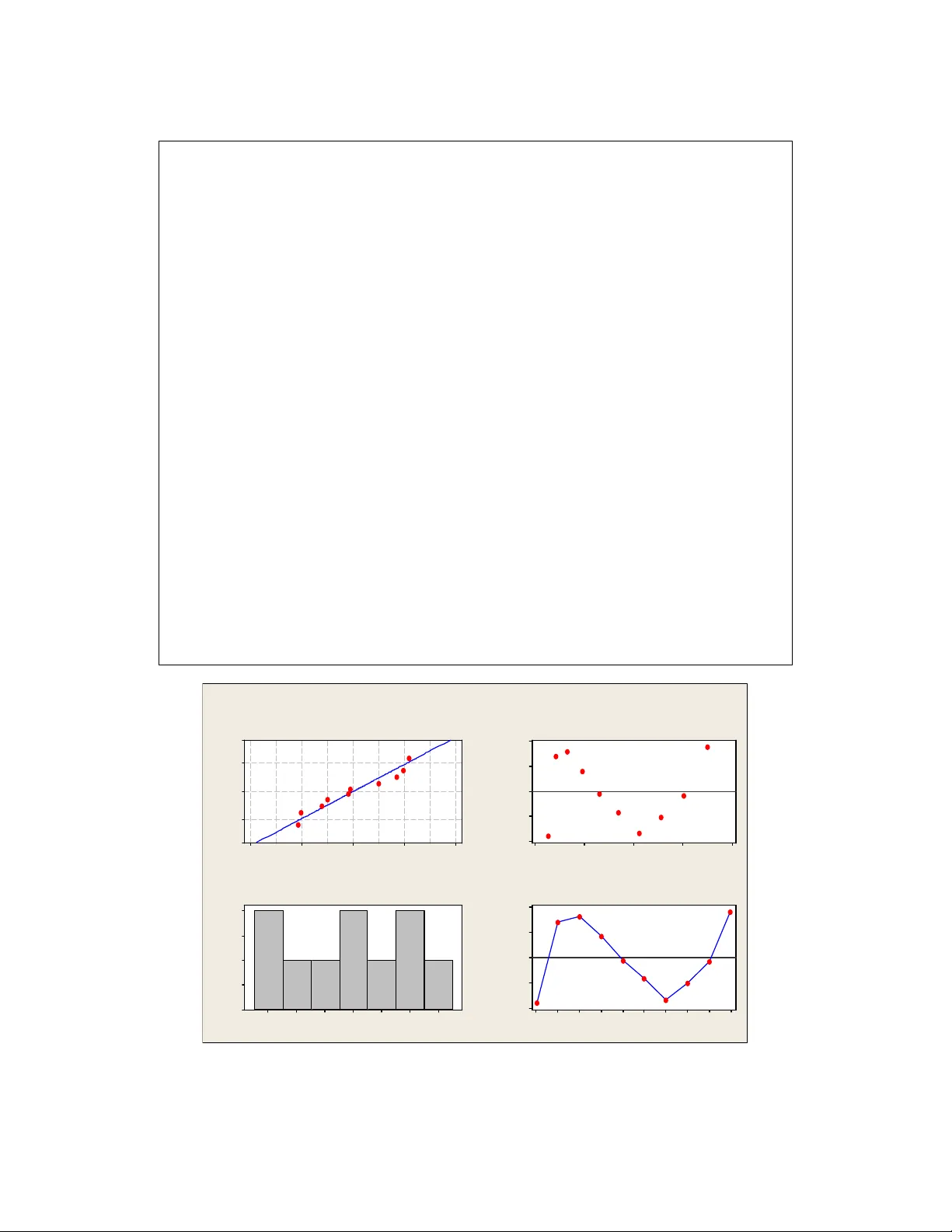
A St a ti st i c a l P e e k i n t o A v e ra g e C a s e C o mp l e x i t y NIRAJ KUMAR SINGH , B irla I nstit ute of Tec hnolog y Mesr a SOUBHIK CHAKR ABOR TY , Birla Institute of Tec hnolog y Me sra DHEERESH KUM AR MALL ICK , Birla Inst itute o f Techno lo gy Me sra The pre sent p aper give s a st atistica l adve nture to wards ex ploring the ave rage c ase c omp lexity behav i or o f compute r algorith ms. Rathe r than fol lowing the tra ditio nal c ount based ana lytic al (pen and pape r) approach, we in stead t alk in te rms o f t he we ight b ased analy sis t hat pe rm its m ixing o f d istinct o per ations into a co nce ptual bou nd ca lled the stati stical bou nd and it s e mp ir ical est im ate, the so ca lled "emp iric al O". Based on care fu l an alysis o f the re sults obt aine d, we have intr odu ce d two new c onje cture s in the do main of algorith mic an alysi s. T he an alytica l w ay o f average c ase an aly sis fal ls flat whe n it co mes to a d ata mode l for which the ex pec tation do es not ex ist (e.g. Cauchy distr ibutio n fo r conti nuou s input d ata a nd ce rta in discrete distribut ion input s as those studie d in the pape r). The empiric al side of our appro ach, with a thrust in co mpute r e xper iments and ap plied stati stic s in its p arad igm, lends a he lpi ng han d by complime nting a nd supple me nting its t heo ret ical co unterp art. C o mputer sc ience i s o r at le ast h as aspects of an e xper imental sc ience as we ll, a nd hence hope fully, our stat istica l fi nding s wi ll be equa lly re c og nized among t heo ret ical scienti sts as well. Key Wor ds: Av erage case analys is, mathemat ical bound, statis tical bound, big-oh , e mpirica l-O, pseudo linear co mplexity , tie-de n sity 1. INTRODUC T ION Traditionally t he analysis of an algorithm ’s effi ciency is done th rough its mathemat ical anal ysis. Alth ough these tec hniques can be a pplied s uccessfull y to many simple algorithms, t he power of mathematics, e ven when enhanced wit h more advanced tech niques , is far from limit less [1][2][3 ]. Rob ustness of the analytical approach itself can be challenged on the ground that even some seemi ngly simple algorithms have proved to be v er y diffic ult to anal yze w ith mathematical precision and certaint y [4]. This is especially true for average case analysis . Average case comple xity analysis is an important idea as it explains h ow certain algorithms with bad w orst c ase complexity p erform bett er on the a ve rage. The principal alternati ve to t he c onventional mathema tical analysis of a n al gorithm’s efficienc y is its empi rical a nalysis [4]. Recently there has been an upswing in i nterest in experime ntal w ork in theo retical c omp uter scienc e community because of growing recognition that theoreti cal results ca nnot tell t he full story abo ut real-world algorithmi c performance [5]. Empirical resear chers have se rious objection to applyi ng mathemat ical bounds in averag e c ase complexity analysis [6] [7] [8]. Indeed , it was the lack of s cientific rigor in early experimental work t hat led Knut h a nd ot her researche rs in the 1960’s to emp hasize worst- a nd- avera ge case analysis and the more general conclusions they could pro vide, especiall y with respect to asymptotic behavior [5]. Empi r ical anal y sis is c apable of fin din g patterns in side a patt ern exhibited by its theoretical counterpart. Its result in turn may reinvi gorate the theoretical establishments by complime n ting and supplementi ng the alr eady known theoretical findings . Here, th rough this paper we s u ggest for an alter n at iv e tool, t h e so c alled ‘ stat istical bound’ and its empiric al estimate (empirical-O) [6] [7]. The performa nc e guarantee is perhaps the biggest strength of the mathematical w orst case bound. Such a guarantee can even be ensured w ith empirical-O (denoted as O emp ) by verifying the complexit y robustness across th e commonly u sed and standard data distrib utions inputs. The statist ical approac h is well equipped with tools a n d te chniques which, if used scientifi cally, can provide a r eliable and valid measure for an algorit hm’s complexit y. See [9] [10] for interesti ng discussi ons on the statis tical analysis of experiments in a r igo r ous fashio n. For more o n statis tical bounds and empirical- O see the Appendi x. Average case inp u ts typicall y correspond to r andomly obtai ned sampl es. Such random seque n ces may constit ute certain well known data patterns or sometimes may even result in unconventional m odels. We in practice a re not v ery mu c h concerned with best c ase analysis as it often paints a very optimistic picture. In this paper we confin e ou r selves to av erage c ase a n alysi s only as w e find it p r acticall y more excit ing than the others. Our statist ical adventure explo r es the a verage ca se behavior of the well kno w n standard qu i ck sort algo rithm [11] as a c ase study. We find it a suitable one as it exhibits a signifi cant performa nce gap betwee n its theoretical ave r age and worst case behaviors. Our analysis introduces a phrase “pseudo linear c omple xity” which w e obtai n against the theoreti c al O(nlog 2 n) complexity for o ur c andida te algorithm . We also talk about t he r ejectio n of t h e average c ase robustness c laim for quick sort algorithm ma de by the the or etical scientists . 2. AVER AG E CASE ANALYS IS US ING S TATIST I CAL B OUND ESTIMATE OR ‘EMP IRI CAL -O’ The av erage case analysis was done by directl y working on pro gram run time to estim ate the weight based stat istical bound over a finite r ange by running c omp uter experiments [12] [13]. This estimat e is called empirical-O. Here time of an oper atio n is taken as its w eight. Weighi n g allows colle ctive considerati on of all ope rations, trivial or non-tri v ial, into a conceptual bound. We c all such a bound a stat istical bound opposed to the tradit ional count based mathemat ical bounds which is operation specific. Since t h e estimate is obtained by supplyi n g nume ric al values to the weights obtained by r unning computer experime n ts, the cr edib ility of this bound estim ate depends on the des ign a nd analysis of comp uter experiment in which ti me is the r espo n se. The interested reader is sug g ested to see [ 6] [14] to g et more insight into stat istical bounds and empiri c al-O. Av erage complexity is traditionall y (by a count based anal ysis u sin g pen a n d paper) fo u nd by appl ying mathematical expectati on to the dominant operation . If th e domi nant operation is wrongl y ch ose n (this is likely in a c omple x code o r even in a simple code in w hich a domi nant operation comes f ewer times as compared to a less dominant op eration which comes more; as for ex ample , in Ami r Schoor’s n-by-n mat rix multiplicat ion algorit hm n 2 comparisons dominat e over multiplicat ions indicati ng an empi r ical O(n 2 ) complexity as the sta tisti cal boun d estima te wh ile Schoor applied mathemat ical expe ctation on multiplicat ion and obtained quite a differe n t r esult , namely, a n average O(d 1 d 2 n 3 ) complexit y, where d 1 a nd d 2 are the fraction of non-zero elements of th e pre and post factor matrices [6][7]. Second, t h e robustness can als o be challenged as the probabili ty distributio n over which expectation is taken may not be realis tic over the problem domain . This section incl udes the empiri c al results obtai ned for average case anal y sis of quick sort algor ithm . The samples are g enerated ran domly, using random number generatin g f unction, to c haracte rize disc r ete u nifor m distribution models with K as its parameter. Our sample sizes lie in between 5*10 5 and 5*10 6 . The discrete uniform distributi on dep en ds on the parameter K [1 …….K], wh i ch is the key to decide the range of sam ple obtained . Most of the mean time entries (in se conds) are aver a ged over 500 trial readin gs. These trial c ounts however, should be varied depending on t he ex te nt of “ noise” present at a pa r ticular ‘n’ value. As a rule of thumb, greater the “noise” at each point of ‘n’, more s h ould be th e numbe r s of obser v ations. System specificatio n: All the c omputer experiments were c arried o ut using PENTIUM 1600 MHz processor and 512 MB RAM. Statis tical models/results are obtai ned using Minitab -15 statist ical package. The standa r d quick so rt is implemented u sing C lan guage by the autho rs thems elves. It should be understood that althou g h program run tim e is system dependent, we a r e interested in ide ntifying patt e rns in t h e run time rather tha n run time itself. It ma y be emph asized here that stati stics is the science of identifying and studying patte rns in numerical data related to some problem u nder stu dy. 2.1 Average case analysis o ver discre te unifor m inpu t s (ca se study - 1) In our first case stud y w e observed the mean times for specific sized input data over the entire ran g e for diffe r ent K values. The obser ved data is recorded in ta ble 1. Table 1. O bs erved m ean t imes i n s e c ond(s) n ↓ K→ 50 500 5000 10000 20000 25000 50 000 50 0000 500000 0 500000 12.688 1.407 0.33104 0.26416 0.2 4652 0.23976 0.24512 0.24276 0.22824 100000 0 50.703 5.219 0.80956 0.57828 0.4 7392 0.45504 0.42136 0.42512 0.42568 150000 0 114.156 11.531 1 .56372 1. 022 56 0.78744 0.75248 0.667 52 0.663 04 0.66576 200000 0 203.546 20.359 2 .57132 1. 616 32 1.18136 1.11132 0.961 84 0.974 36 0.96308 250000 0 317.562 31.657 3 .8498 2.339 48 1.650 08 1.5251 1.3 012 1.30492 1.29804 300000 0 457.797 45.437 5 .3688 3.181 4 2.17812 2. 001 6 1.670 3 1.6 8316 1.66928 350000 0 *** 61.719 7 .156 4.1607 2.76612 2.5157 2.0 859 2.09012 2.08508 400000 0 *** 80.484 9 .187 5.2672 3.4406 3.1045 2.5 217 2.53112 2.53236 450000 0 *** 101.875 11.4323 3 6.5 229 4. 171 88 3.7674 3.0 236 3.0282 3 .01748 500000 0 *** 126.078 13.9326 7 7.8 90333 4.9515 4.4328 3.5342 3.5453 3. 541 88 A caref ul loo k at table 1 reveals that for smaller ‘K’ v alues we get q uadratic complexit y models. Our point is furthe r strength en ed w hen we go throu g h th e stat istical data of tables 2(A-H ). So we can safely write Y avg (n)=O emp (n 2 ), at least for K ≤10000 . It m ust be kept in mind that t he as sociated const ant te rm in this inequality is not a generic one, rather a c onst ant dependent on th e ra n ge of input size. However , if t h e system invariance prope rty of O emp is ensured t hen this v alue may be treated as a constant across t he s y stems provided the range of input size is kept fixed. Table 2(A ) Reg ression Ana lysis: y ver sus n, nlgn, n^2 fo r [k=5 00] The re gre ssion equat ion i s y = - 0.5 41 + 0.0000 13 n - 0.0000 01 nlg n + 0. 0000 00 n^ 2 Predict or Co ef SE Co ef T P Constant - 0.5407 0.365 3 -1. 48 0. 189 n 0 .000 01267 0.00 000 570 2 .22 0. 068 nlgn - 0.000 000 61 0.00 00002 7 -2. 23 0. 067 n^2 0.00 00000 0 0.0 00000 00 62. 14 0.000 S = 0.0 876502 R-S q = 1 00.0 % R-Sq( adj) = 100.0 % Analysi s of V ariance Sourc e DF SS MS F P Regr ession 3 16607 .5 553 5.8 72057 3.28 0.0 00 Residu al Err or 6 0.0 0.0 Total 9 16607 .6 Sourc e DF Se q SS n 1 157 70.1 nlgn 1 80 7.8 n^2 1 2 9.7 Table 2(B ). Regr essio n An alysis: y ver sus n , nlgn for [k= 500] Regress ion Analysis : y versus n, nlgn The re gre ssion equat ion i s y = 19.9 - 0.00 0335 n + 0. 000016 nlgn Predict or Co ef SE C oe f T P Constant 19.927 3.71 2 5.3 7 0 .001 n -0. 000 3349 2 0. 000026 28 -12. 74 0 .000 nlgn 0.00 0015 98 0.0 000011 6 1 3.80 0. 000 S = 2.0 6007 R-S q = 99.8 % R-Sq (adj) = 99. 8% Analysi s of V ariance Sourc e DF SS MS F P Regr ession 2 16577. 9 828 8.9 1953. 16 0. 000 Residu al Err or 7 2 9.7 4.2 Total 9 16607. 6 Sourc e DF Seq SS n 1 1 5770.1 nlgn 1 807.8 Table 2(C ). Regr essio n An alysis: y ver sus n , nlgn, n^ 2 for [k=5 000 ] Regress ion Analysis : y versus n, nlgn, n^2 for [k=50 00] The re gre ssion equat ion i s y = 0.242 - 0.0 0000 3 n + 0.00000 0 nlgn + 0.0 000 00 n^2 Predict or Coe f SE Coe f T P Constant 0. 241 56 0.03 749 6.44 0. 001 n - 0.00 0002 81 0. 0000 0059 - 4.80 0.003 nlgn 0.0 00000 15 0.0 0000 003 5 .24 0.002 n^2 0. 000000 00 0.0000 0000 5 3.27 0.00 0 S = 0.0 089953 9 R-Sq = 100.0% R-S q(adj) = 10 0.0% Analysi s of V ariance Sourc e DF SS MS F P Regr ession 3 1 98.0 24 66 .008 815 749.0 5 0.0 00 Residu al Err or 6 0. 000 0.00 0 Total 9 1 98.0 24 Sourc e DF Seq SS n 1 18 9.642 nlgn 1 8. 153 n^2 1 0. 230 Table 2(D) . Reg ression An alysis : y ver sus n, nlgn, n^2 fo r [k=1 000 0] The re gre ssion equat ion i s y = 0.098 2 - 0. 0000 00 n + 0.0000 00 n lgn + 0. 000 000 n^ 2 Predict or Co ef SE Co ef T P Constant 0 .098 23 0.0 2367 4.1 5 0.0 06 n -0.00 000 019 0. 000000 37 -0. 51 0.6 25 nlgn 0. 000000 02 0.0000 0002 1. 18 0.2 84 n^2 0. 000000 00 0. 0000 0000 47 .33 0.0 00 S = 0.0 056797 9 R-Sq = 100.0% R-S q(adj) = 10 0.0% Analysi s of V ariance Sourc e D F SS MS F P Regr ession 3 61.6 49 20. 550 63699 6.80 0.000 Residu al Err or 6 0. 000 0. 000 Total 9 61.6 49 Sourc e DF Seq SS n 1 59.348 nlgn 1 2.228 n^2 1 0.07 2 Table 2(E ). Regr essio n An alysis: y ver sus n , nlgn, n^ 2 for [k=2 000 0] Regress ion Analysis : y versus n, nlgn, n^2 for [k=20 000] The re gre ssion equat ion i s y = 0.160 - 0.0 0000 2 n + 0.00000 0 nlgn + 0.0 000 00 n^2 Predict or Coe f SE Coe f T P Constant 0.16 047 0.02 249 7.13 0.00 0 n -0 .000 0015 0 0.0 000003 5 -4.2 7 0.00 5 nlgn 0.00 00000 9 0. 00000 002 5.11 0. 002 n^2 0.0 000000 0 0.0 0000 000 21.6 1 0.00 0 S = 0.0 053965 7 R-Sq = 100.0% R-S q(adj) = 10 0.0% Analysi s of V ariance Sourc e D F SS MS F P Regr ession 3 23.4 474 7. 815 8 2683 72.1 9 0.0 00 Residu al Err or 6 0.0 002 0 .0000 Total 9 2 3.44 76 Sourc e DF Seq SS n 1 2 2.8198 nlgn 1 0.6140 n^2 1 0.013 6 Table 2( F). Regr ess ion An alysi s: y versu s n, n lgn, n^2 for [k=2 500 0] The re gre ssion equat ion i s y = 0.129 - 0.0 0000 1 n + 0.00000 0 nlgn + 0.0000 00 n^2 Predict or Co ef SE Co ef T P Constant 0 .129 39 0.0 4199 3.0 8 0.0 22 n -0.00 000 103 0 .000 00066 -1.5 7 0.1 68 nlgn 0. 000000 06 0.0000 0003 2.0 3 0.0 89 n^2 0. 000000 00 0. 000 00000 9.9 8 0.0 00 S = 0.0 100740 R-S q = 1 00.0 % R-Sq( adj) = 100.0 % Analysi s of V ariance Sourc e DF SS MS F P Regr ession 3 1 8.58 35 6. 1945 610 38.16 0.00 0 Residu al Err or 6 0.00 06 0. 000 1 Total 9 18.584 1 Sourc e DF Se q SS n 1 18.14 14 nlgn 1 0.43 20 n^2 1 0.0 101 Table 2(G) . Reg ression An alysis : y ver sus n, nlgn, n^2 fo r [k=5 000 0] The re gre ssion equat ion i s y = 0.178 - 0.0 0000 2 n + 0.00000 0 nlgn + 0.0 000 00 n^2 Predict or Co ef SE Coe f T P Constant 0.17 829 0. 02566 6 .95 0.000 n -0.0 000 0161 0.00 000040 - 4.03 0.00 7 nlgn 0 .00000 009 0.000 00002 4 .75 0 .003 n^2 0.00000 000 0.00 000000 9.05 0.00 0 S = 0.0 061565 9 R-Sq = 100.0% R-S q(adj) = 10 0.0% Analysi s of V ariance Sourc e D F SS MS F P Regr ession 3 11.430 3 3. 8101 1005 21.12 0. 000 Residu al Err or 6 0.00 02 0. 000 0 Total 9 11.430 6 Sourc e DF Seq SS n 1 11.21 28 nlgn 1 0.21 44 n^2 1 0.0 031 Ta ble 2(H). R egressio n Anal ysis: y v ersu s n, nlg n for [k=5 00 00 ] The re gre ssion equat ion i s y = 0.388 - 0.0 0000 5 n + 0.00000 0 nlgn Predict or Co ef SE Coe f T P Constant 0.38 768 0. 03931 9 .86 0 .000 n -0.0 0000 517 0.00 000028 -1 8.57 0 .000 nlgn 0. 000000 26 0 .000 00001 21 .22 0. 000 S = 0.0 218164 R-S q = 1 00.0 % R-Sq( adj) = 100.0 % Analysi s of V ariance Sourc e DF SS MS F P Regr ession 2 1 1.42 72 5 .713 6 12 004.5 3 0.0 00 Residu al Err or 7 0.0 033 0.00 05 Total 9 11.43 06 Sourc e DF Se q SS n 1 11.2 128 nlgn 1 0.214 4 “Even if y ou find a low r 2 value in an analysis , make sure to g o back and look at the regression coefficie nts and their t values. You may find t hat, despite the low r 2 value, one or more of t he regression coefficients is still strong and relat ively well kno wn. In the same man ner, a high r 2 value does n’t n ecessaril y m ean th at the model t h at y ou have fitted to the data is the ri ght model. That is, even when r 2 is very large, t he fitted model may n ot accurately predict the respo n se. It’s the job of lack of fit or goodness of fit tests to decide if a model is a good fit t o the dat a [15]”. Justification for prefer r ing q uadratic mode l over nlog 2 n for K=500: Stat istical data in tables 2(A, B) justify the c hoice of quadratic model ov er nlog 2 n. The standard error is reduced from 2.06007 to 0. 08 76502 when we go for quadratic model. Alt hough a ver y slig h t impro v ement in r 2 data is observed , the F v al ue (7205 73.28) for quadrati c m odel is m u ch higher than t he c orrespondi ng val u e (1953 .16) for nlog 2 n cur ve. Justification for prefer r ing nlo g 2 n mod el over q uadratic on e for K=5000 0: As we move fr om smaller to h igher k values there is a significant gr ad ual dec r ement in t s tatis tic of n 2 te r m which is obvio u s fr om st atis tics given i n tables 2(A -G). Ultima tely for the specified K value the t statis tic of n log 2 n approac hes close to that of n 2 term in t he model. For a g iven r ange of input size (in our case it is 5* 10 5 to 5*10 6 ) an inc rement in K beyond a thres hold (indeed a r ange) ensures its best performance for r andom inputs: i.e. Y avg (n) = O(nlog 2 n). So it is the K value of samp le which decides on the average case behav ior of algorithms (quick sort in partic ular). This information is important as its prior knowledge ma y influe nce the choi ce for a parti cular algorithm i n advan c e. Our study refutes the robustness claim made fo r nlog 2 n av erage c ase beha vior of quick so rt. See r eference [16 ] fo r an i n terestin g dis c ussion o n the robustness of average comple xity meas ur e. 2.2 Average case analysis o ver discre te unifor m inpu t s (ca se study - 2) The frequency of occur rence of a particula r element e i belongin g to a sample is its tie density t d (e i ). As we are dealing with uniform distri bution samples only, to enhanc e the r eadabili ty, we simpl y drop the b r acketed term and hence t d correspo nds to the tie den sity of each eleme n t in the sample. For a n interesting dis c ussion on the effect of tied eleme nts on the al gorithmi c perfo rmance the r eader is re ferred to [1 7]. 2.2.1 Statistica l resu lts and i ts ana l ysis In this section our study is focused around analyzin g algorithmi c pe rforman c e when it is subjected to uniform distributio n data coupled w ith consta nt probabili ty of tied elements. The observed mean time is reco r ded in table 3. The correspo nding stat istical analysis result is pr ese nted in tables 4(A -B). This r esult clearly suggests an O emp (n) com plexit y across the various tie den sit y values. T h e r esulting residual plots for response are given in fig ures 1&2. Table 3 . Obse rve d mean ti mes in sec onds n ↓ t d → 1 10 100 1000 10000 100000 500000 0 .24276 0.24512 0.331 04 1.4 07 12.688 ** * 100000 0 0.4316 0.4283 0.5734 2.7594 25. 219 ** * 150000 0 0.6732 0.664 0. 856 1 4.1281 37 .82 8 * ** 200000 0 0.964 0.9 672 1.1828 5.5125 50.37 5 * ** 250000 0 1.2999 1.2952 1.5062 6.9016 63 * ** 300000 0 1.6767 1.6703 1.7781 8.2842 76. 016 ** * 350000 0 2.0829 2.0859 2.0844 9.7 88.21 9 * ** 400000 0 2.5391 2.5343 2.5391 11.10 433 100.828 ** * 450000 0 3.0219 3.0186 3.0187 12.51 567 113.468 ** * 500000 0 3.54188 3.5 453 3.5342 13.93 267 126.078 *** Table 4(A ). Regr essio n An alysis: t v ersu s n, n log 2 n for t d =1 The re gre ssion equat ion i s t = 0.3 90 - 0.0 00005 n + 0.0000 00 nlogn Predict or Co ef SE Co ef T P Constant 0 .389 54 0.0 4154 9.3 8 0.0 00 n -0.00 000 517 0. 000000 29 -17. 57 0.0 00 nlogn 0. 000000 26 0. 0000 000 1 20. 08 0.000 S = 0.0 230505 R-S q = 1 00.0 % R-Sq( adj) = 100.0 % PRESS = 0.016 428 8 R-Sq(pre d) = 99. 86% Analysi s of V ariance Sourc e DF SS MS F P Regr ession 2 11.44 83 5. 7241 10 773.36 0.000 Residu al Err or 7 0.00 37 0. 000 5 Total 9 11.452 0 Sourc e DF Seq SS n 1 1 1.2341 nlogn 1 0 .214 2 Obs n t Fit SE Fit Res idu al St Resid 1 5000 00 0 .24276 0. 26984 0.019 55 -0 .027 08 -2 .22R 2 100 0000 0 .43160 0. 41036 0.0 1181 0.02 124 1.07 3 150 0000 0 .67320 0. 64910 0.0 1037 0.02 410 1.17 4 200 0000 0 .96400 0. 95163 0.0 1085 0.01 237 0.61 5 250 0000 1 .29990 1. 30158 0.0 1092 - 0.00 168 -0.0 8 6 300 0000 1 .67670 1. 68933 0.0 1025 - 0.01 263 -0.6 1 7 350 0000 2 .08290 2. 10852 0.0 0942 - 0.02 562 -1.2 2 8 400 0000 2 .53910 2. 55461 0.0 0969 - 0.01 551 -0.7 4 9 450 0000 3 .02190 3. 02423 0.0 1225 - 0.00 233 -0.1 2 10 5000 000 3.54 188 3. 514 74 0.0 1702 0.02 714 1.75 R deno tes an o bservat ion w ith a large standard ize d re sidua l. Table 4(B ). Regr essio n An alysis: t v ersu s n, n log 2 n for t d =100 0 Regress ion Analysis : t versus n, nlogn [t d =1 000] The re gre ssion equat ion i s t = 0.1 06 + 0.0 0000 2 n + 0.0000 00 nlogn Predict or Co ef SE Co ef T P Constant 0. 105 638 0.00 830 0 12.7 3 0.000 n 0.0 000 0169 0 .00000 006 28.82 0. 000 nlogn 0.00 000 005 0. 0000 000 0 18.59 0.000 S = 0.0 046060 0 R-Sq = 100.0% R-S q(adj) = 10 0.0% PRESS = 0.000 254 515 R-S q(pred) = 1 00.0 0% Analysi s of V ariance Sourc e DF SS MS F P Regr ession 2 160.10 3 80. 051 37733 04.32 0. 000 Residu al Err or 7 0.0 00 0. 000 Total 9 160.10 3 Sourc e DF Se q SS n 1 1 60.096 nlogn 1 0.00 7 Obs n t Fit SE Fit Res idual St Res id 1 5000 00 1.4070 1.4 082 0.00 39 - 0.0012 -0.51 2 100 0000 2.75 94 2.7 590 0.00 24 0. 0004 0.1 0 3 150 0000 4.12 81 4.1 279 0.00 21 0. 0002 0.0 4 4 200 0000 5.51 25 5.5 087 0.00 22 0. 0038 0.9 4 5 250 0000 6.90 16 6.8 982 0.00 22 0. 0034 0.8 4 6 300 0000 8.28 42 8.2 947 0.00 20 - 0.0105 -2.54R 7 350 0000 9.70 00 9.6 970 0.00 19 0. 0030 0.7 1 8 400 0000 11.1 043 11. 104 3 0.00 19 0. 0000 0.0 1 9 450 0000 12.5 157 12. 516 0 0.00 24 - 0.0003 -0.07 10 5000 000 13.9 327 13. 931 5 0.00 34 0. 0012 0.3 8 R deno tes an o bservat ion w ith a large standard ize d re sidua l. 0 .05 0 0 .02 5 0 .00 0 -0.0 25 -0.0 50 99 90 50 10 1 R e sid u a l Per cent 4 3 2 1 0 0. 030 0. 015 0. 000 -0.0 15 -0.0 30 Fitted Value Resid ual 0. 03 0. 02 0 .01 0. 00 -0.0 1 -0.0 2 -0.0 3 2 .0 1 .5 1 .0 0 .5 0 .0 R e sid u a l Fr e qu e nc y 10 9 8 7 6 5 4 3 2 1 0. 030 0. 015 0. 000 -0.0 15 -0.0 30 O bser v ation O r der Resid ual N ormal P ro b ab il i t y Plo t Versus F i t s Hi st o g ram Versus Ord er Res i du al Pl ots f or y Fig.1. Res idu al plot co rr esponding to t d =1 0.0 10 0 .005 0.0 00 - 0.0 05 -0.0 10 99 90 50 10 1 R e sidu al P er cen t 1 5 1 0 5 0 0.0 05 0.0 00 -0.0 05 -0.0 10 Fitted Va lue Residu al 0 . 0 0 5 0 0 . 0 0 2 5 0 . 0 0 0 0 - 0 . 0 0 2 5 - 0 . 0 0 5 0 - 0 . 0 0 7 5 - 0 . 0 1 0 0 6.0 4.5 3.0 1.5 0.0 R e sidu al Fr eq uenc y 1 0 9 8 7 6 5 4 3 2 1 0.0 05 0.0 00 -0.0 05 -0.0 10 Obser va tion Or der R esidu al N o rm al P ro b ab il it y Plot Versu s F it s Hi st o g ram Vers u s Or d er R es i du al Pl ot s for y Fig.2. Res idu al plot co rr esponding to t d =10 00 With a value of 28.82 the t stat istic is significantly higher for linear term against the value of 18 .59 for nlog 2 n te r m in the lat er model . Opposed to this the t v alue fo r nlog 2 n term (20 .08) is h igher tha n that of linea r term (-17.57) in the ear lie r model. This obse rvation led us to conclude that beyond a threshold value of tie d ensity we expect linea r patterns rat her than nlog 2 n. Pseudo linear complexit y m odel: Analyzing algorithmic complexity through the study of growth patterns is an important idea, but thing s could be different when it comes to p ractice. Unlike theoreti cal anal ysis an empirical analysi s is essentially done ov er a f easible fi nite range. Hence, while going fo r em pirical analysis , o ne should not always r ely c ompletel y o n the growth pat tern as even the individual time values can have thei r own share (sometimes even maj or ) to contribute in deciding t he final complexity of the program in question . A ca reful observat ion of table 3 would further clea r this poi nt. The CPU times a re m or e or less comparable when we look into the columns (table 3) for t d =1, 10, and 100 . Howe v er, as w e moved further for higher t d values, t h e timing differen c es with resp ect to t he CPU times meas u red against the unit t d value became prominent. The tables 1 & 3 are r elated by th e fact that a column in table 3 would corres pond to a rightward diagonal in Table 1 (if all the releva nt entries were present). Each point on an ave rage c omple xity curve, obtaine d for some higher t d (say 1000 as in fig. 3) value, gives a n upper bo und to the corres ponding point (sa mple size) present in some quadratic curve (in fig. 3 these curves correspond to k=5000 and 10000) obtai ned as c omplexit y model f or essentiall y similar inpu t categories. Here we must remember t hat the tie density cannot be an arbitr ary number as it can always be limit ed by the sample size N. Alt hough, the actual timi ngs are c ompared amon g the models obtained from possib ly different data patterns th ey all belong to the very same family of inputs (average c ase i nputs). H en ce, alt hough foll owin g linea r patterns we c all such a model as a “ p s eudo li n ear co mplexity mo d el” . . Fig. 3. Rel ative cur ves de monstr ating pseudo line ar comp lex ity mo del At this point we are in a position to claim that: “ The u niform distribu tion dat a with similar (at least theoretica lly) density of tied e leme nts is g uaranteed to yie ld O emp (n) growth rate ”. In context of theoretical a nalysis this result is quite unexpe cted as even the best c ase theo r etical count happens to be Ω(nlog 2 n) and not a linear one. Based on our anal y sis result we put ou r points in t he form of the followin g two conje c tures. Conjecture 1: Over uniform distrib ution data with simi lar density of tied elements , a theoretical O(nlog 2 n) complexit y approaches to wards an empirical O emp (n) c omple x ity for avera ge case inputs having sufficiently large t d v alues. Conjecture 2: As the sample tie density t d goes beyond a certain threshold v al ue t dt , (i.e. for all t d > t dt ) even the seemi ng ly linear complexity model , as claimed i n conjecture 1, is found to be quadratic in practice, pr ov ided the sample range remains the same. And hence, we call su ch a linear model as “a pseudo li near complexity model”. Although, the presen c e of othe r reasons cann ot be ru led out, our failure in identif ying the dominant operat ion(s), and that too correctly , present inside the c ode is among the reasons fo r the obse r ved beha v ior. Theoretic al justifica tion: It is well known that runtime of quick sort depends on the number of distin ct elements [18], which in this paper, is refle cted in the parameter ‘k’. If t d is the tie den sity , then n=k*t d . With fixed t d , in a feasible finite range setup the v alue of ‘k’ will increase linearly w ith n. The simi lar argume nt is equally applicable for fixed ‘k’ value (see fig. 4 A & B). Also for fixed sample sizes the response is ma ximum wh en t d =n (t d cannot exceed n), whic h is t h e case when all elements are same valued. The response is minimu m when t d =1, (i.e. n=k) wh en all elements are distinct (a t least theoretically) . 0 2 4 6 8 10 12 14 16 5 10 15 20 25 30 35 40 45 50 mean time (T) in sec. input size in lacs (N) Plot of N vs. T K=5000 K=10000 TD=1000 Fig. 4 (A). Line ar p lot of N vs . K Fig. 4(B). Line ar plot of N v s. t d Fig. 5 (A). plot of k v s. mean ti me (t) Fig. 5(B). plot o f t d v s. mean time (t) The expe c ted behavior of a random sample is O (nl og 2 n) complexity whereas , fo r a fixed sample size the run time of quick sort is a dec r easing function over paramet er ‘k’ (see fig. 5 A & B) . This obse rvation affects the r untime of the samp les decreasing the overall ru ntime from n log 2 n comple xity to a li n ea r one. Following this discussion it seems that t he empiric al analysis has the pote ntial to cross the bar rier, w hich ot herwise is n ot atta inable throug h its theo retical counterpa rt. 2.2.2. Q ui ck sort for unusual da ta model : Analyzing the algo r ithmic behavio r , for average case performan ce, t hrough analytical approach has its ow n inherent limita tions as mentioned in t he Introductio n section of this paper. Further these techniques fall flat when the algo rithm is analyzed for some u nusual data set fo r which theoreti cal expect ation does not exists . In such a situat ion the empirical analysis is th e only c h oice. Let u s consider the random v ariab le X w hich takes the discrete values x k = (-1) k 2 k /k, (k=1, 2, 3……. . ), with p r obabili ties p k = 2 -k . Here w e get ∑ ( x k p k ) = ∑ ( − 1 ) ^ / = - [1- 1/2 + 1 / 3 – 1/4 + …..] = log e 2 and ∑ ( |x k |p k ) = ∑ 1/ which is a div er g ent series. Hence i n this case expectation does not exist . Using the i nverse cdf te c hnique w e have : F X (x) = P( X ≤ x) = ∑ ( = ) , F X (x) ~ U[0, 1] k → input (N) in lacs → linear plot of N vs. K (fixed t d ) t d → input (N) in lacs → linear plot of N vs. t d (fixed K) mean time (t) in sec. → K → decr easing curve of K v s. me an time (t): N is fixed mean time (t) in sec. → td → increasing curve of t d vs. mean time (t): N is f ixed This unusual data model is simulat ed over various sample ranges w hose regress ion analysis result is given in table (5) and fig. (6). We have used the q u adratic model as a test of linea r /log 2 n goodness of fit. The test is perform ed by fitti ng a quadrati c model to the data: y = b 0 + b 1 x + b 2 x 2 , wh ere the regress ion coefficients b 0 , b 1 , and b 2 are estim ates of the respectiv e parameters. From the r egres sion an d ANOVA tables it is evident that t he r 2 is much h ighe r, the standar d error (S) is smaller . The result of coeffici ent for the v arious terms are n ot informat ive b ut mo re importantly, thei r t values are. The t value for quadratic term is statis tically much significant than the other terms, w hich is an evidence of quadratic nature of the algorithmic behavio r for the said data model . This result again refutes t h e robust ness claim of avera g e case behavior of quick sort al gorithm. Table 5 . Regr ession A nalys is: t ve rsu s n, n log 2 n, n 2 Regress ion Analysis : T versu s N, NlogN , N^2 The re gre ssion equat ion i s T = 0.010 + 0.0 000 34 N - 0.00 0002 Nlog N + 0.0000 00 N^ 2 Predict or Coe f SE Co ef T P Constant 0 .010 0 0. 1024 0.1 0 0.9 25 N 0.0 000344 9 0.0000 3115 1.1 1 0. 311 NlogN -0.0 000021 2 0.0000 0190 -1.1 1 0.308 N^2 0.00 00000 0 0 .00000 000 34.7 9 0.0 00 S = 0.0 245745 R-S q = 1 00.0 % R-Sq( adj) = 100.0 % Analys is of Varian ce Sourc e D F SS MS F P Regr ession 3 412.4 7 137 .49 2276 66.9 3 0.0 00 Residu al Err or 6 0. 00 0.00 Total 9 412.4 7 Sourc e DF Se q SS N 1 391 .67 NlogN 1 20 .07 N^2 1 0.7 3 Obs N T F it SE F it Res idual St R e sid 1 2000 0 0.3057 0.29 90 0.02 34 0.0 066 0.90 2 4000 0 0.9044 0.91 30 0.01 49 -0.00 86 -0.44 3 6000 0 1.8937 1.90 49 0.01 49 -0.01 12 -0.57 4 8000 0 3.2939 3.28 58 0.01 28 0.0 081 0.39 5 10000 0 5.0515 5.06 11 0.01 17 -0.00 96 -0.44 6 12000 0 7.2734 7.23 38 0.01 25 0.0 396 1.87 7 1 4000 0 9.8092 9.80 62 0.01 33 0.0 030 0.15 8 1 6000 0 12. 7451 12.7 796 0.01 27 -0.03 45 -1.64 9 18000 0 16. 1437 16.1 552 0.01 31 -0.01 15 -0.55 10 2 0000 0 19. 9518 19.9 338 0.02 13 0.0 180 1.48 0.050 0.02 5 0.00 0 - 0.02 5 - 0.050 99 90 50 10 1 Res idual Pe rcent 20 15 10 5 0 0.04 0.02 0.00 - 0.02 - 0.04 F it ted V a lue Residu al 0. 04 0 .0 3 0 .0 2 0 .0 1 0. 00 -0 .0 1 -0 .0 2 -0 .0 3 4 3 2 1 0 Res idual Fr equ ency 10 9 8 7 6 5 4 3 2 1 0.04 0.02 0.00 - 0.02 - 0.04 O bser va tio n O r der Resid ual N o r mal P r o b ab i lit y P lo t Ve r su s F it s H i s t o g ram Ver su s Or d er R e s i du al P l ot s f or T Fig.6. Res idu al plot fo r an u nus ual d ata mode l 3. CONCLU SIONS We conclude this pape r with t he following remarks: This r esearch paper ca r efully explores the average case beh avior of our candidate algorithm using the unconventional statis tical bound and its empi rical estimat e, t he so called ‘ empirical -O’. The sta tisti cal bound has surel y m u ch more to offer, as is obvious from our adventure, than its theoretical counterpart . This untraditional and unconventional bou nd (which ac t u ally is a n esti mate [6]) h as the pot entia l to compliment a s well a s supplem ent the fi ndings o f much practi ced math ematical bound. The stat isti cal analysis performed over empi r ical data for discrete un iform distributi on inputs resulted in several practicall y interesti ng patterns. To our surprise we f ound s ome c omple x ity data follo win g a v ery clear linear pat tern suggesting an empi rical linear model, i.e., Y avg = O emp (n). But inte restingly, the proper exami nation of i n dividual response values put a serio u s obj ection on t he validity of this p roposed comple xity model for all practical purposes. These phenomena r es u lted in con je ctures 1 & 2 as g i ven i n the main text of this paper. As the last adven ture of our to u r, we examin ed the behavio r for a non-sta ndard data model for which expectat ion does not exists th eoreticall y. Based on ou r statis tical analysis result, w e h a v e refuted t h e robustness claim of average case behavior of quick sort alg orithm. The general techniques for simulat in g th e conti n uous and discrete as well as uniform and non un iform random v ariables c an be found in [19 ]. For a comprehe n sive literature on sorting, see r eferen ces [1] [20]. F or sor ting with emph asis on the in put distributi on, [21] may be cons ulted. The c on c ept of mixing operations, as is done inheren tly b y experimenta l approa ch, of different t ypes is n ot c ompletel y a new idea. In the w ords of Horo w itz et. al. “Given the mi nimum utility of determini n g the exact number of additions, subtractio ns, and so on, th at are needed to solve a problem instance with characteristics given by n, we might as w ell lump all the operations to g ether (pr ovided that t h e time required b y each is relativel y independent of the instance chara c teristics) and obtain a count for the total nu mbe r of operations” [22]. What is n ew with our approach is that: instead of count we p r efer to w ork w ith w eights and think of a c oncep tual bound based on these w eig h ts, which r elativel y is a mo re scientific approach as it is well known that different operations mi ght take different amou n t of actual CPU times. The role of weighted count becom es more promin en t wh en the operations in c onsid eration differ drasticall y w it h respect to the actual consumed time . The cr edibilit y of the statis tical bound estimate depends on the desi g n a nd anal y sis of our comp uter experime n t in which the respo nse variable is p r ogram run time [6]. Our prime objecti ve behind this paper is to convince its reader about the existence of weight based s tatis tical boun d. We stro n gly reco mmend use of empirical-O for arbitrary algorithms having s ignifica n t pe r forman c e gap, as in th e present case, between t h eir theoreti cal average and worst case bounds. The use of empirical-O is also r ecommended for algorithms in which identif ying the key operation itsel f is a non trivial tas k. Co n cedin g to the fact that the field of count based theoretical analysis is quit e satu rated now, h opefull y t h e c omm unity of theoreti c al computer scientists would find our app r oach a systemat ic and scientifi c one, and hence would appreciate our stati stical findings. APPE NDIX Definition: Stat istical bound (no n-probabilis tic) If w ij is th e weight of (a c omp uting) operation of type i in the j th repetition (generally time is taken as a weig ht) and y is a “stoc h astic realizat ion” (which ma y not be stochasti c [6]) of the determi n istic T= 1 . w ij wh ere we count one for each opera ti on repetition irrespecti v e of the type, the stat istical bound of the algorithm is the asymptot ic least upper bound of y expressed as a fu nction of n where n is t he input parameter c haracterizin g the algo rithm’s i n put size. If i n terpreter is u sed, t he measured time will involve both the t r anslation tim e and the ex ecutio n time but the translati on time being indepen dent of the input will not affe c t the order of complexit y. The deter mi n istic m odel in that c ase is T= 1. w ij + translat ion time. For parallel comp uting, summat ion should be replaced by maxim um. Empirica l O (written as O w ith a s u bscript emp) is a n empirical estimate of t he statis tical boun d over a finite range, obta in ed b y suppl y ing numerica l values to the w eights, which emerge from c omputer experiments [6]. Empirical O can als o be used to estimat e a mathem atical bound w hen t h eoretical analysis is tedious, w ith the ackno wledgeme n t that in this case the estim ate shou ld be count based a nd operation specifi c. REFE RENC ES [1] R. Sedg ewick , and P. F lajolate . 1 996. A n Introd uction to the Analysis of Algorit hm s. A dd ison-We sley , Reading, MA [2] Grah am, R .L., Knuth, D .E., and Pat ashnik, O. 1994. Co ncre te Mathematics: A Fo undatio n for Compute r Scie nce, 2 nd ed. Addiso n- Wesley, Re ading, MA [3] D. H. Gr ee n, and D . E. K nuth. 1982. Mathem atic s for A nalysis of A lgorith ms, 2 nd e d. Birk hause r, Bosto n [4] A. Lev itin. 2009. I ntro duction to the e sign & An alysi s of Algor ithms . 2 nd ed. , Pear son Educ ation [5]Dav id S. John son. Nov 2001. A Theo re tician’s G uide to the Exper imental An alysi s of Algorit hm s. http://www.r esear ch att.com/ ~dsj/ [6] So u bhik C hakra bor ty and S um an Ku mar So urabh. 2010. A C omputer E xper ime nt O riente d Appro ach to Algo rithmic Co mp lexity. La mbert Acade mic Pub lish ing [7] Su man Ku mar S our ab h a nd S ou bhik C hakr abo rty. 200 7. On Why Algo rith mic Ti me C omp lexity Measure C an be Syste m Invari ant R athe r than System Indepe ndent. Applie d M athem atic s and Computat ion, Vo l. 190, Is sue 1, 195-2 04 [8] Sou bhik C hak ra borty . 201 0. Rev iew of t he B oo k Me thods in Algo rithmic Analy sis by V. Do bru shkin. Chapma n and Hall, P ub lished in Co m puting R eview s, Ju ne 1 1, 2010 [9] Co ffi n. 2000 . Statist ica l a nalys is of comp utat iona l te st s of algor ithms and heurist ics. Info rms J. on Computi ng [10] C. Co tt a, and P. Mosc ato. 2 003. A Mixe d Evo lutionary -Statist ical An alysis of an Algo rithm’s Complexity . App lied M athem atic s Lette rs, 16, 41-4 7 [11] C. A. R. Ho are. 1962. Q uick sort . Computer Jo urnal, 5(1), 10-1 5 [12] Jero me Sacks et al. 19 89. Design and A na lysis o f Expe rimen ts. Stat istical S cience , V ol . 4, No. 4, 40 9- 423 [13] K . T. Fa ng, R. Li, and A. S udji anto. 20 06. De sign and Mo del ing o f Comp ute r Expe riments . Ch ap man and H all [14] N iraj K um ar S ingh and Soubhik C hak raborty . 2011. Part i tion So rt and its Empirica l Analys is. In Proc ee dings o f the Internat ional Confe re nce o n Com putat io nal Intelligenc e and Info rmat ion Techno logy (CI IT 20 11). CC IS 2 50, 34 0-346 . © Spr inger-V erlag He idelberg 201 1 [15] Paul Mathe ws. 20 10. De sign o f E xper ime nts w ith M INITAB . Ne w Age Internat iona l Pu bl isher s, F irst Indian Su b-Co ntine nt Ed ition, 2 94 [16] Soub hik Ch akr aborty and S uma n K umar Sour abh. 20 07. How R obu st are Av er age Com plexity Measures? A St atist ical Ca se St udy. A pplied Mathe mat ics and Co mput ation, 1 89, 1 787- 1797 [17] Soub hik C hakra bor ty, Su man Ku mar So ur abh, M. Bose, a nd K umar S usha nt. 20 07. Rep lace ment So rt Revisited: “ The Gold St and ard U neart hed!”. App lied Mat hem atics and Co mput ation, 1 89, 384-394 [18] R. Sed gew ick. June 1977. Qu ick sort w ith Equ al Ke ys. Sico mp 6(2), 240-2 67 [19] S. Ros s. 2001. A F irst Co ur se in Pr obabi lity, 6 th E ditio n. Pe arson Educ ation [20] Dona ld E. K nuth. 2000. The Art of Computer Pro gr amming , Vo l. 3: Sor ting a nd Se arching . Ad dison Wesely, Pearson E duc at ion Repr int [21] H. M ahmo ud. 2 000. Sor ting : A D istribut ion Theo ry. John Wil ey and Son s [22] E llis Hor owitz, S. S ah ni, and S. R ajasekar an. 2 013(Re print) . Fund ament al s o f C omp uter A lgorith ms. 2 nd ed., U niversity Pre ss
Original Paper
Loading high-quality paper...
Comments & Academic Discussion
Loading comments...
Leave a Comment