Mobile Agent as an Approach to Improve QoS in Vehicular Ad Hoc Network
Vehicular traffic is a foremost problem in modern cities. Huge amount of time and resources are wasted while traveling due to traffic congestion. With the introduction of sophisticated traffic management systems, such as those incorporating dynamic t…
Authors: Rakesh Kumar, Mayank Dave
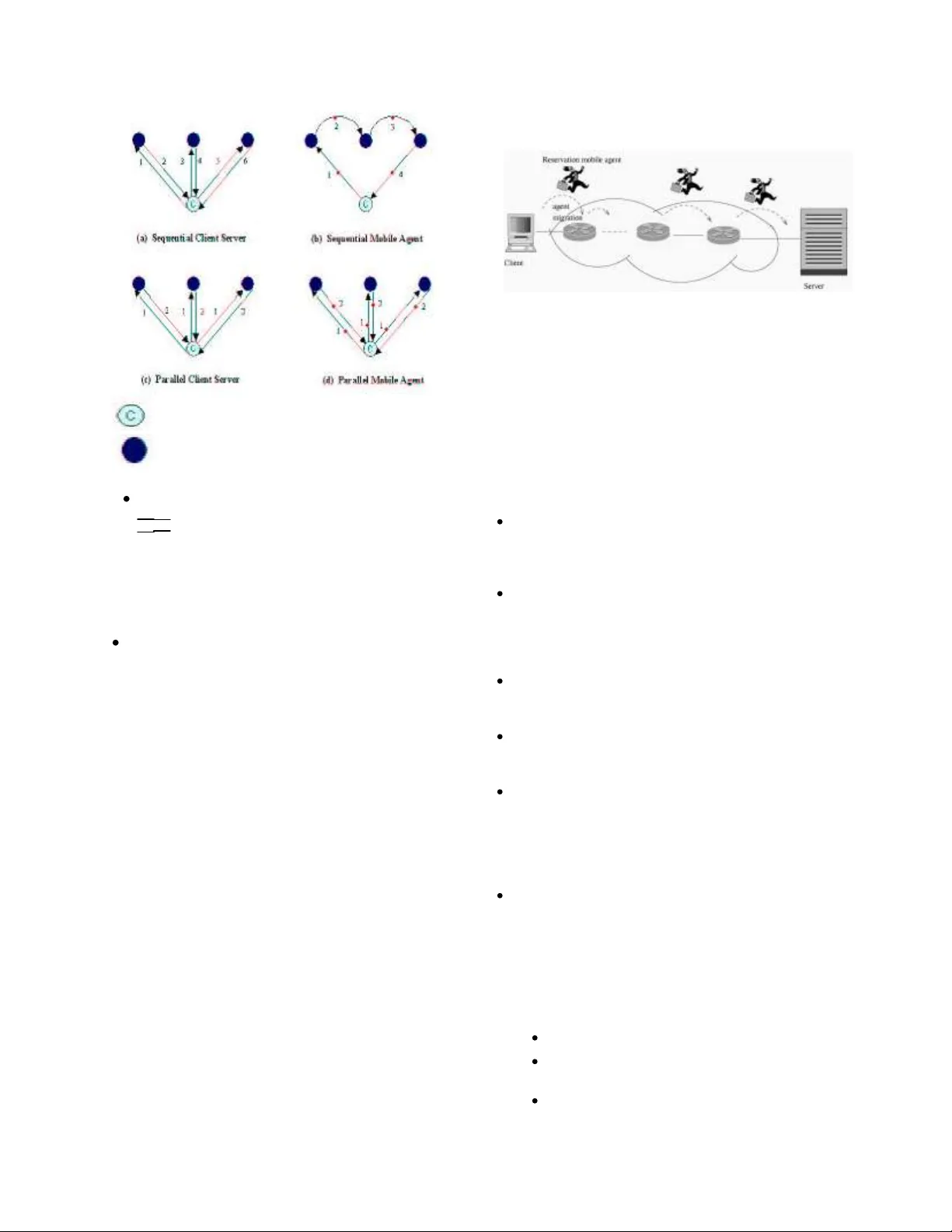
IJCA Special Issue on “ Mobile Ad-ho c Netw orks ” MANET s, 20 10 67 Mobile Agent as an A pproach to Improve QoS in Vehicular Ad Hoc Net w ork Rakesh Kum ar, Dr. Mayank Dave Ass istant Pro f es sor, M. M. Un iversity, Mul lana Ass ociate Profess or, N.I.T. Ku ruks hetra Harya na, Ind i a, Haryana, In dia ABSTRACT Vehicul ar traff i c is a foremo st pr o blem in moder n cities. Hug e amo unt of time and resource s are wasted whi le trave ling due to traff ic c ong est ion. Wi t h the introduc t ion of sophis ticated t raf fic manag ement sy stems, such as t hose inco r po rating dy namic traff ic assignm ents , mo re string ent demand s are being placed upon the availab l e re al time traffic da t a. I n thi s pap er we have p r o posed mo bil e ag ent as a mec hanism to handle the traff i c problem on road. Mobile sof t ware agents can b e used to prov ide the better Qo S (Quali ty of S ervic e) in v ehicular ad ho c netwo r k to improv e the safe ty applicatio n and d r ive r co mfort. Keywords : Qo S, Mob il e Age nt, VAN ET 1. INTRODU CTION A Vehicular Ad hoc Network (VA NET) i s a form of wirele ss ad hoc network to prov ide co mmunications amo ng vehic l es and ne arby roadside equipm ent s . I t is emerging as a new techno logy to i ntegrate the cap abil ities of ne w genera t ion wireless netwo rking t o vehic l es. The majo r purpose of VA NET is t o pro vide (1) ubiqu i tous co nnectivity whil e on the road to mo bil e us ers, who are otherwi se co nnected to t he o utside wo r ld throug h other network s at ho me or at t he wo rk pl ace , and (2) efficie nt vehic l e- to -vehic l e com munications tha t enable the I nt elligent T ranspor t atio n Sy stems (I TS). ITS inclu des a varie ty of applica tions suc h as coo perat ive traff i c mo ni toring, co nt rol of traffic flow s, blind crossing ( a cro ss ing witho ut lig ht contro l), prev e ntio n of collisio ns, nearby info r mation serv ices , and r eal-time de tour routes com put atio n. I n this paper nodes a nd vehicles are u s ed intercha ngeably . 2. NETWOR K ARCHITECTU RES AND CHARA CTERIS TICS Wire less ad hoc networks genera l ly do not rely on fixed infrast ructu re for com munication and di ssem ination o f info rmation . VA NETs follow the s ame pr inci ple and apply it to the h ighly d y namic enviro nment of surfac e transpor t a tion. A s shown in Fig. 1, the arc hitec ture of VA NETs mainly falls with in three catego ries: pur e cel l ula r /WL AN , pure ad hoc , and hy brid. VA NETs may use fixed cellula r gateway s and WL A N/WiMax access po i n ts at t raf fic intersec t ions to co nnect to the I nt ernet , gather tr aff ic info r mat ion, or fo r routing pu rposes . The n et wo r k arc hitectu r e unde r this scenar io is a pure ce llular or WLA N st ructure as s ho wn i n Fig. 1(a). VA NETs can combine both cellular netwo rk and WL A N t o fo rm the netwo rks so tha t a WL AN is used where an a c cess point i s ava ilable and a 3G co n nection otherwi se. (a ) Cellular /WLAN (b) Ad Hoc (c) Hy brid Figure 1: N etwork arc hitecture s for VANETs Stationa ry or fixed gateway s around the sides of roads co uld pr o vide co nne c tivity t o mobile nodes (vehicles) , but are even t ual l y unfeasible co ns idering the infrastruc t ure co st s i nvo lved. I n such a scenar i o, all veh i cles and ro ad - side wireless devic es can fo rm a pure mo bile ad hoc network (F i g . 1(b )) to perf orm vehicl e to v ehicle com munications and achi eve certa i n go al s, such a s bl i nd cro ss ing. Hy br id arc hitec ture ( F ig. 1(c)) of com bining i nfra struc ture network s and ad hoc networks tog ether has also been a possib le solut ion fo r VA NETs. Nambo odiri et al . [ 9] propo sed such a hy brid archi tecture , w hi ch uses s o me vehic l es w ith both WL AN and cellular c apabi l it ies a s the gateway s and mobile netwo r k route rs so t hat vehicles with only WL AN capabi lity c an comm unicate with them throug h multi-hop links to remain connec te d t o the worl d. The hy bri d architec ture can prov ide better cov erage, b ut also causes new problem s, s uch as the seaml ess transi tio n of the co mmunic at ion amo ng differe nt wire l ess sy ste ms. 3. CHARA CTERIS TICS OF VANET I n additio n t o the similar i ties to ad ho c net wo rks, such as short rad io transmi ssio n range, self-org ani zation an d self- manag ement, a nd l ow bandwi dth, VA NETs can be disting ui shed from other kind s of ad hoc networks as fo l low s[15]: Highly dynam i c topo l o gy: Due to high speed o f mov ement between v ehic l es, the to pology of VA NETs is alway s c hanging . Freque ntly disc o nne cted ne twork : Due t o the same reaso n, the co nnectivity of t he V A NETs could als o be chang ed frequently . Especia l ly when the vehicle dens i ty is low, it has highe r pro babil ity that the network is disco nnected . IJCA Special Issue on “ Mob ile Ad-ho c Netw orks ” MANET s , 20 10 68 Mobil ity mo deling and predi catio n: Du e to high l y m obile node mo vem ent and dy namic topo logy , mo bi lit y model and predic ation pl ay an i mpo r tant role i n netwo rk proto col desig n fo r VA NETs. Geograp hical type o f comm unic atio n: Co mpared to other network s that use unicas t or mult icast wher e t he com munication end points are defined by ID or gro up I D, the VA NETs often ha v e a new ty pe of comm unication t h at addres ses g eog raphical areas wh ere packe t s need t o be fo rwarde d Variou s com munic ations env i ronm ents: VA NETs are usually operated in two t y pi cal c ommunications enviro nment s. I n hi ghw a y traffic sc enario s, the enviro nment is r elativ el y simpl e and straigh tforward (e.g., co nst rained one-dimen si o nal m ov ement), wh ile i n c ity co ndit ions i t bec omes muc h mo re co mplex. Suffic ient en er gy and st o rage: A co mmon characte r ist ic of nodes in VAN ETs i s that nodes have ample energ y a nd com put ing power (i nc lud i ng both storage and processi ng), since nodes are cars ins t ead o f small h a ndh eld dev ices. Hard delay constraints: I n so me VANE Ts applicatio ns, the ne t wo r k does not requ ire high dat a r at es but has hard delay constrain ts. Interac tion with on-bo ard sensors : I t is assume d tha t the nodes a re equipp ed w it h on-bo ar d sensors to prov ide info rmation t ha t can be used to fo rm comm unication li nks and fo r rout i ng pu r poses . 4. MOBILE A GENT The term “mo bile agent” was intro duced by Telescr ipt, which suppor t ed mo bility at the prog ramming l a nguag e level. A mobile agent is a pr o gram , whic h represen t s a user in a com put er netwo rk, and is cap able of mig r ating autono mously from node to no de, to perfo rm som e com put atio n on behalf o f the use r . Mobile ag ents are define d as o bjec ts t hat have behav i o ur, stat e, and loc at ion [4] . I t s tasks are determ i ned by the ag ent applicat i on, and can range fro m online shopp i ng t o real - time d evic e co ntr ol to distr ibuted sc ient ific c om put ing Mobile a g ents are co ns idered as a prog ram, tho ugh they have so me special prope r tie s that disting ui sh them fro m t he standa rd pro grams: mandatory and ortho go nal (optiona l) proper ties [5 -7]. Th e manda tory propert ies ar e as fo l low s: Auto nomy: agents o perate wi t ho ut the d irec t in terv entio n of humans or o t hers, and hav e some kind o f contro l ov er their ac tio ns and intern al sta t e. Decisio n mak i ng: reactiv e o r proac t ive deci sion making . Reac tive deci s ion making i s implem ente d in some form of direc t mapping from sensors input (sen sing the enviro nment ) to actions using som e r ule s. Proac tive decis ion m aking m ay use Belief Desi re I nt entio n (BDI ) archi tecture [6] . The bel iefs of an a g ent are its mo del of the dom ai n, its desires prov i de som e s ort of ordering between states, and i t s inte ntions ar e thing s it has dec ided to do . Tempo ral cont i nu i ty: ag ents are co nt inuo usl y r unn ing proc es ses (either running activ e in the f o regro und o r sleep ing/pa ssiv e in th e bac kgro und); Goal orie nted: an agent i s capa ble o f handling a t ask to meet i ts des i red g o al; The or t hog onal prope rties are as fo ll ow s : Mobil ity: agent s are c apable o f roam ing ar ound in a n electro ni c ne t wo r k; Co mmunicative: ag ents interac t with ot her agent s and (possibly ) hum ans via some kind o f agent c omm uni cat i on languag e. Mutual : an agent s ho uld be c a pa ble o f com puting the desired task s of the use rs/ proc ess by cooperat ing with other agents , som etime s it may reject execut i o n of certain t ask s, because (f o r i nsta nce) they wo ul d put an o b j ect i onabl e hig h load on the network reso urce s or b ecause it wo uld c ause damag e to other u s ers; Learn i ng: a g ents can learn the env ironment facto rs, u ser prefe rences , et c. and dev elop certa in degree of reasoning to take i ntell i g ent decisions /a c tions tha t i mproves t he eff iciency of the sy stem. 4.1 Arch itectu ral ov erview & its co mpo nents Mobile agen t pro vides a new design model fo r applic atio ns as co mpared to the tradit ional cl ient serv er mode l . First and fo re mo st , t he mobi le agen t blow s ap art the very no t ion o f client and serv er. With mobil e ag ents, the flow of co ntrol actually moves acro s s the network, ins tead of usi ng the reques t /respo nse architect ur e o f client -s erver .I n effec t, every n ode is a server in the agent netwo r k, and t he agent mov es t o t he lo cation where it may find the s erv i c es i t needs to run at eac h point i n its execut ion [8] . T he vario us co mpo nent s o f t he a r chi t ectu r e ar e: - Ag ent Manag er : The A gent Manag er prov i des the com munication infras t ruct ure u si ng the TCP/I P stac k fo r agent transmis s ion . I t abstracts the net wo r k int er fac e in order t hat agen t prog r amm ers need not know any network s p ecif ics nor nee d to prog ra m an y netwo r k interfac es. Sec ur ity Manager: The Security Manager is respons ible fo r ident ify ing us ers, authent i cating their agents, p rotec ting server r eso urces an d ens uring t he secur ity and integ r ity of agents . Pers istenc e Manag er: The Per sistenc e Manag e r is com pl etely transparen t and m ainta ins the state of agents i n transit around the netwo rk. As a side benef i t, it a llo ws for the chec kpo int and restart of agents in the event of s y stem failure . Ev ent M anag er: The Event Manager handles the registr atio n, posting and notif ication of events to a nd from agents . The Ev ent Manage r can pass event notifica t ion to agents on any node i n t he netwo rk t hus suppo rting agent co ll aborat ion. IJCA Special Issue on “ Mob ile Ad-ho c Netw orks ” MANET s , 20 10 69 Fig 1: Architec ture of a mo bi le agent Queue Manag e: The Queue Manag er is responsi ble for the schedul ing and po ssibly retry ing the mov ement of a g ents between systems whic h include main t enanc e of a g ent a nd persiste nce o f agent sta t e. Direc tory Manager: The Dir ecto r y manager prov ides naming servic e in the n etwork . The Direc tory M anager may co nsul t a loc al name servic e or may be set up to pass reques t s to o t her , ex i sting na me serv ers. Servic e man ager: The Serv i ce manag er pro vides the interfac e from agents to the services ava ilable at the v ario us mac hi nes in the ne two rk. I t comprises a set of pro g ramming extens ions t o prov ide access t he native A PI ‟s a nd interfac ing. 4.2 Life Cy cle of a Mob ile Agent & its l ife state log stru c tu r e The mo bile agen t paradig m is based on t h e migrat i ng wo r kflo w sy s tem mo del [9][10] . Wo rkflow o riented life cyc le model co nsists o f five states, (creat i ng, running , deleting , suspend i ng, r esum ing ) and a number of tr an sitio n states. The wo rkflow oriented life cy cle model is sho wn i n the fig . 2 To accomplish its task , the mobi l e agen t can transpo r t itse lf to another serv er in search of t he needed res o urce / serv ice, spawn new ag e n ts, or interac t w i th o ther stationa ry age nts. Upo n co mpletion, t he mo bi le ag ent de liv e rs the r esults to the send ing clien t or to ano t her serve r . 1. I n t he creating st ate , the agen t is crea t ed but not activate d y et. 2. I n the runn ing stat e, the agent is running, perfo rming ac tio ns and solv e it p urpose . 3. I n the del eting sta te, the agent is te r mi nated . 4. I n the suspend ing state , the agen t cannot run and still w ithin the agen t serv er. 5. I n the resumi ng st ate , the agent is travel ling between two serve r instanc es . Fig 2: Lif e cy cle of a mob i le agent The life cyc l e of m obile a g ent begins at the mo ment w hen it is creat e d . When PA is m igra ting from one host to anothe r host i n ord er to achieving its go al s; an d the PA returns its se rver on wh ich it was c rea t ed. Two or mo re than t wo states, in l ife cy cle of PA , may be occ ur red at the differen t time o r pl ace . The mo bil e agen t life state lo g structur e can be defin ed in f our tuple: 4.3 Im plementatio n strategies Ag ent m obility and nam ing are t he tw o major issu es i n implem enting the mobi l e agen ts i n VA NET. A n agent should be unique ly named, so that its owner can com municate with or contro l it wh ile it travel s on its itinera ry [11]. W e have i dent i fie d fo ur i mp l eme nt at i on strateg i es: Sequent i al CS This i s bas ed on the tradit ional cli ent-serve r paradig m. The client make s a reques t to the first serv er and after proc es sing the reply , make s a r eque st t o the seco nd server and s o o n, ti l l t he list of server s t o be v i sit ed is exhaust ed. T his st r ateg y is illus trated in fig ur e 3 (a) . Sequent i al MA I n thi s ca s e a s ingl e M A mov es from i ts so ur ce of orig in (client) t o the fi rst site (s e rver) in its itinera ry . I t then mo ves to the next site and so on, till it has visited all the s ite s in its itinerary . This strateg y is illust rated in fig ur e 3 (b). Paral lel CS This al so bas ed on the c lient-serve r parad igm . Ho wev er, instead of sequen tial requests , th e cl i ent i nitiat es paral lel threads of e xecut i o n where eac h thr ead co n currently m akes a reques t to o ne of t he serv e rs and proc es ses the reply . This str ategy is illust rated in figure 3 (c). Creatin g Running Suspend Dele t ing Re sumin g Active Suspend Terminatin g Dispatch Resuming IJCA Special Issue on “ Mob ile Ad-ho c Netw orks ” MANET s , 20 10 70 Clie n t Serve r Mob il e age n t Mess age Exc hange 123456 Numb ers along th e arrow s indic a te the sequence of m essages/ M A movem ent. Fig. 3 Imp lementatio n strateg ies Parall el MA I n t his case the clien t initiate s multiple MAs, each of which visits a subset of the serve r s in the itinera ry . The MA s then return to the client and co l late th eir r esu lts to com pl ete the task. Th is strat egy is i llustra ted in fig ur e 3 (d) . 5. MANA GING Q o S USIN G MO B ILE AG ENT Quality of service (QoS ) i s the m easur e of a servic e off er ed by the network to the user. The mo re determ i nistic network perfo rmanc e co uld be achiev ed with the mobile agent s , so that inform atio n co n ceded by the network c an be better deliv ered and netwo r k resourc es can be effec t ively uti lized. A net wo rk or a service prov i der can put forward different kinds of servic es to the users. A service can be charac terized by a s et of requiremen ts such as mi ni mum bandw i dth, m aximum delay , maximum delay variance (jitter) , a nd ma ximum pac ket loss rate. Qual i ty of Servic e (Qo S) managem ent parame te rs a re vital for fac i lit at i ng multimed ia servic es in a netwo rk. A ty pical QoS archi tecture sho ul d s u pport the fo ll o wing: conf i g urati on, predictio n , and manag ement of QoS at all the levels of abstract i on (user, s y stem and netwo r k level ); manag ement, co ntr o l, and proc essing o f a flow must be d istinc t activ i tie s; applicat i on must be transpa r ent fro m estab lishme nt and manag ement; as y nchro nous r esource manag ement of differen t co mponents; and pe rfo rmanc e enhanc emen t . A n agent based Qo S architec t u re do supports all these featu r e s. [12] Qo S off ers flexibi lity , scalabili t y , eff iciency , adaptab ility , sof t ware reusa bility and m ainta inabil i ty . Fig 4: Age n t base d Qo S manageme n t. Ag ent -base d s chem es has seve ral adv antages as c ompared to traditiona l appro a c hes: r educed lat ency , wo rks in hetero geneo us netwo rks, reduced ne t wo r k traff ic, encapsu l ate s protoc ols, flex i bil ity , ada p tabili ty , software reusab i lity and main tain abil ity , and fac ilitates the creat ion of custom i sed dy namic sof tware ar c hitectu r es [1,2,3]. Ho wever, mobile ag ent techno l ogy is still in its infancy and has certa i n pro bl ems that hav e t o be resolv ed. Even thoug h it is diffic ult to quantify th ese features , we expla in how Qo S is achiev ed t hroug h mo bile agent s . Flexib ility : The ag ents allow learning capab ilities to be integ rated in a natural way to suppo rt delay predictio ns , bandw i dth p r edic tions, and play out decis i on-making based o n th e hos t architec ture a nd netwo r k lo ads. Reusabi l ity : Mobile A gent so ftware can be reused by differen t ty pes of multi me dia applic a tio ns by making slight mo difications t o the sof t ware. I t is possib le because of a utono mous o pe ration of the agents in agent-bas ed sy st ems. Maintai na b ility : The softw are c a n be easily maintained since e v ery a gent of an ag ent -based sy st em i s develo ped on a m odula r app r oac h. A dapt ability : Mobile ag ent can eas i ly adapt t he rapid chang es i n the netwo r k co nditions (cong est ion/fai l u re) and us er requ i rem ents . Eff i ciency : The use of a mobile ag e nt inc reases n etwork resource u tilisatio n efficienc y because of its adaptab ility to network and use r r equir emen t s and exchang e of minimal inf orm ation d uring task exec ution and dec isio n making with mu l tip le r eso urce info rmation . Scalab i lity: The scalability can be achiev e d b y using the mo bi le agent at a cl i ent to e xecut e si m i lar tasks of severa l user s . The schem e uses only certai n deg ree neighbo ur ‟s info rmatio n to co mpute the mu l tip le paths . A s according to literat ure, a l o t of concepts hav e alre ady been app l ied on VA NET to pr ovide better Qo S t o the user but still som e o f t he i ssue s ar e not y et an swered and they are: - L ack of real-t i me traff i c info r mat ion. L a ck o f access t o travel info rmation and 24 hour re al -tim e alterna te rout e info rmation. Better altern ate route guid ance. IJCA Special Issue on “ Mob ile Ad-ho c Netw orks ” MANET s , 20 10 71 L a ck of readil y av ailable transi t inform atio n t o increase rid er shi p. Mobile agent s c an bette r ad dress t hese issues i n VAN ET. I n this tec hnique, we propo s e an i n tellig ent agent based network that can pro vide five dif fer ent ty pes of mess ages in the fo rm of ag ents: - 1. Directio n -Find i ng A gent (DFA) 2. Portable Ag ent (PA) 3. I n Vehicular A gent (I VA) 4. Observan t A gent ( OBA ) 5. I nformatio n Finding A g ent (I FA). A l l vehicles mov ing in t he ne twork c onside red to be part of the netwo rk fo r traff i c mo nitoring and contro l. The co re of the sy stem is creat ion of mobile agent of i ntel ligen t node s . Ag ent s are sta tic nodes p l aced at intersect i ons and along the str eets, which maintai ns t he databa s e of traff i c info rmation and routing informat i on. Ro ad side sensors mo ni tor the traff ic situatio n and it is prov ided to nearby Ag ent s. The ne t wo r k c onsist s o f mo bil e no des in an ad -ho c enviro nment . Th e Portab le A gents ( PA ) are strateg i cal l y placed such that PA is well co nnected t o at least one neighbo r ing PA . Desirab l e c harac t erist i cs o f PA no de are: Pro cessing pow er to sus tain dist ribution of databa se and node man agement. More than av erag e norma lized li nk cap a c ity PA to PA and PA to m obile no de co nnectivity and rel i abil ity L ar g e buff er capacity to mainta i n ubiqu i tous databa se and ro uting ta ble. DFA s are responsi ble f or ro ut e disc overy , route main tenanc e an d distr ibut ion of omnipresent databas e. Po rtable A gent keeps the route inform ation and presenc e info rmation . Each DFA fi nds the p at h to neighbo ri ng DFA s using PA s. PA s co ll ect network behav i o r i nfo rmation which c ontain network reso ur ces lik e bandw idth and buffer availabi l ity at a node and pass it to a DFA . The nex t task is to fo rm routing t abl e at DFA node. To fo rm routing table, paths fro m a DFA node to its ne ighbo rs are e stab lished. Path d is co very i s c arr ied out by PA s. A DFA node sends Fo rward Po rtable Ag ent s (FPA s ) in netwo r k to dis co ver the paths betwee n itself and neighbo r ing DFA s. Since any DFA node c an be connec ted t o ne arest D FA node within maxima l number of hops. This avo ids floo ding. Betw een each pair of unique DFA n ode, many paths are disco vered and all paths are re co rded in routing ta ble. Alg orithm 1 explains working o f A P A. Algorit hm 1 . A dvance Po rtable A gent (A P A) If ( hop co unt== 1) then , Mobi l e ag ent is dele ted else if DFA node r eac hed to nex t node then C onv e y all the co ll ected info rmati o n to DFA , i.e., inf orm ation reg ar d ing path fo llowed and resources av ailabl e on t hat path . Create R ever s e Mobi l e Ag ent w i th p ath info rmation . else Dec rease the hop c ount of mo bi le ag ent Co l lect the netwo rk inform atio n needed fo r rou t ing & subm er ge t he mo bile ag ents to neig hbor no des. end if Wo rki ng of RPA is expl ained in A l go ri thm 2. Algorit hm 2 . Reve rs e Po rtable A gent ( R M A ) if DFA no de reache d to next node the n Co nve y all t h e co ll ected information t o DFA , i.e., info rmation regarding path f o llowed a nd resourc es availabl e on t hat path to update ro uting table. Remo ve mo bi le agent . else Give a l l the inf orm at ion c o llected to node . Travel to nex t hop. end if In Vehicul ar A gent (IVA) : IVA is static ag ent r esi de s i n vehic l e whic h co mmunic at es with the DFA to acquire/ spread t he re l evan t i nfo rmati o n. I VA co ll ects the status (mo v ing or st at i onary ) and loc ation i nformat i on of vehicle fro m s ensors equi pped i n a vehic le. Obse rvant A gent ( OA) : OA is a mo bile ag ent t hat travels around the netwo rk by creating its clo nes to propagat e t he decis ive info rmation during the cr itical situatio ns. Exampl es of crit ica l situa ti o n a re acc ident, traffic j am, bad weather c ondit ions, tracing a veh icle i nvo lved i n crime or traffic r ule vio lation etc. I t also i nfo rms I VA and upda tes the v ehi cl e da tabase. O A is sent by D FAs to t he vehicles mov i ng in the ne t wo r k. Informa t ion F inding Age nt (I FA) : I F A travel s in the network to searc h fo r the re qu isite i nfo r mation as des ired by vehic le user. IFA is s en t by t he DFA in the netwo rk on the reque s t issued by user or DFA its elf to get traffic info rmation . [11] 7. Conclusion and Future Scope Mobile ag ent techno l o gy has been highl i ghted as a very interes t ing approac h to build applic a tions fo r mo bi le enviro nment s. How e v er, it is hard t o find p ract ical applicat i ons wi t h real proto t y pes and using the avai lable mo bi le agen t p latfo rms. O ne reaso n is pro bab l y that suc h platfo rms have been deve l oped with a fixed distribu ted enviro nment in mind , and not co nsider ing t he fea t u res t hat may be of s pecial interes t in a mo bi le env i ronm ent (e .g., relianc e against s ecur ity t hreats, adap t ation to the netwo rk techno l ogy , and se r v ice/node disco very ). Mobile agent scales effec t ively as t he siz e o f the data to be o bt ained increase s. IJCA Special Issue on “ Mob ile Ad-ho c Netw orks ” MANET s , 20 10 72 We hope that fu t ure r esea rch and dev elopment eff orts wi ll eventua lly l ead to co nsolidate a go od relatio nship betw een mo bi le agent s and mo bil e dev ices a nd it will also co n centrate on the rea l tim e aspects . 8. Refer ence s [1] Chess, D. , Ha r riso n, C ., and Kers henbaum , A . : „Mobi le a g ents: ar e they a goo d i dea?‟. I BM Researc h Divisio n, T.J. Watson Res earc h Center, Yo r ktow n Heights , New York , March 1995 . [2] Lang e, D.B., and Oshima , M.: „Seven goo d r easons fo r mobile agents ‟ , Comm un. AC M , 1999 , 42, pp. 88 – 89. [3] S.S. Manvi a nd P. Ven kataram “Mobile ag ent ba s ed approac h fo r QoS r outing ” The I nstit u tio n of Eng ineering a nd Techno logy 2007, 1, (3) , pp. 430 – 439. [4] A l fonso Fu gg et ta, Gian P ietro Pic co and G i ov anni Vigna, "Unders t andi ng Code Mobil ity ", I EEE Transac tions on Software Engine ering , vo l. 24(5), 1998. [5] S.S. Manv i , P. V enkataram , “ Appl i cat i ons o f agent techno l ogy in comm uni cations: a review” , Co mput er Co mmunications 27 ( 2 004), 1493 – 1508 . [6] G. Weiss, Multiagen t sy stems a mo dern appro ach to distribu ted artif icial intellig ence, MIT Pr ess, Boston, 2001. [7] R. Chadh a, G. Lapioti s, S. Wrig ht , “Po licy -B ased Netwo r king ”, I EEE Netwo r k speci al i ssu e, Marc h/A pril 2002 , Vol . 16 No . 2, guest e dito rs. [8] Danny B. L a ng e and Mitsuru Os hima, “S even G oo d Reasons for Mobile A gents " , Co mmunicat i ons of A CM, vo l . 42, no . 3 , Marc h 1999 . [9] Shinichi Moto mura, Takao Kawamura, Kaz unori Sug ahara, “Pers i ste ncy for Jav a based Mobi l e A g ent Sy stems”, Proc . Third Interna ti ona l Co nference on I nt ernet and Web A pplicatio ns and Serv ices . Pp. 470 - 475,2008 , [10] Yang Go ng -ping , Zeng Gua ng- z h ou, ”Mob ile A gent L ife State Man agem e nt”, I M A CS Multi -co nference on Co mputational E ngin eering in Sy stems A pplicatio ns (CESA ), 2006 , Beijing, China [11] Neeran M. Karnik and A nand R. Tripa thi “ Des i g n I ss ues in Mobile- A gent Prog ramming Sy stems”, I EEE Co ncurrency , J u ly -September , 19 98 pp 52-61 . [12] T. Bheemar j una Reddy , I . Kart higey an, B.S . Ma noj, C. Siva Ram Murthy “Quality of service prov isioning in ad ho c wireless netwo rks : a survey o f iss ues and solutio ns” Ad Ho c Netwo rks VOL . 4, 8 3– 124, (2006 ). [13] Chess, D., Harriso n, C . , and Ke rshenb aum, A.: „Mobi le a g ents: ar e they a goo d i dea?‟. I BM Researc h Divisio n, T.J. Watson Res earc h Center, Yorktow n Heights , New York , March 1995 . [14] Sada f M o meni, Mahm o od Fat hy , “VAN ET' s Co mmunication”, I EEE 2008 . [15] Nai shadh K . Dav e and Vanaraj B . Vaghela “Veh icular Traff ic Control: A Ubiquito us Co mputing Appro ach”, I C3 2009, CCI S 40, pp . 336 – 348 , 2009 . [16] O. Urra , S. I lar ri and E. M ena, “A gents Jump ing in the A i r: Dream or Reality ?”, , Part-I LNC S 5517, pp.62 7- 634, I WAN N 2009
Original Paper
Loading high-quality paper...
Comments & Academic Discussion
Loading comments...
Leave a Comment